Ten Fingers
By Colton Peters · August 3, 2026
The Son of Thor just won the Rocket Classic. He grips it like he's stepping to the plate. You might want to take notes.
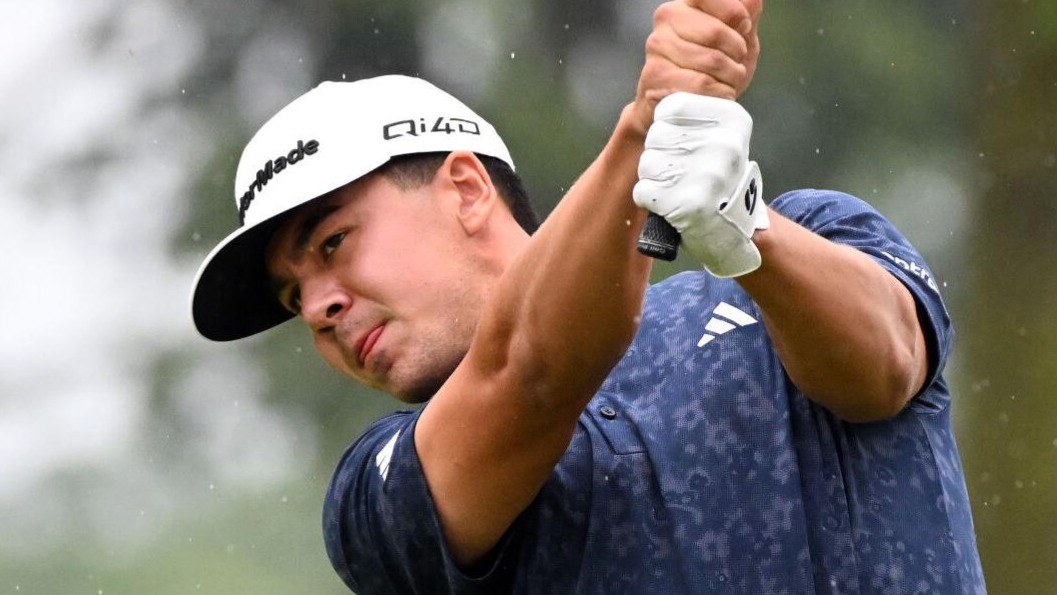
Two consecutive weeks. Two first-time PGA Tour winners. Two players who were somewhere between unknown and a footnote in the betting sheets walking out of their respective tournaments with trophies. Jackson Koivun last week at the 3M Open. Michael Thorbjornsen this week at the Rocket Classic in Detroit. Both 24 and under. Both elite college products. Both, in their own way, doing things the conventional golf world would rather you did not notice too closely.
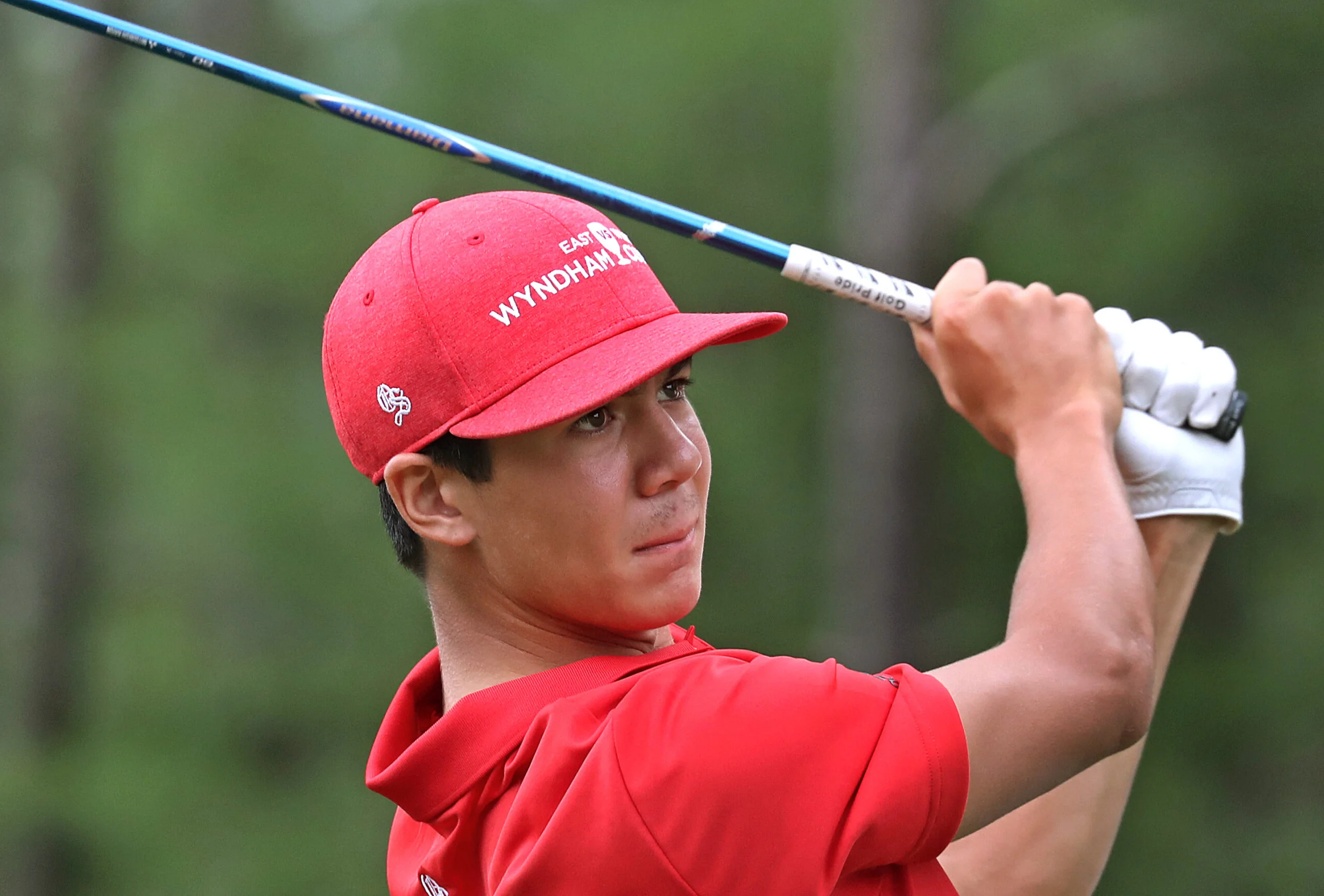
Because here is the thing about Michael Thorbjornsen that nobody in instruction wants to say out loud: he grips the club with all ten fingers. Every single one of them on the handle. The baseball grip. The one your pro told you to grow out of when you were nine years old. The one that gets quiet, concerned looks on the lesson tee. The one that exactly zero players in the top fifty in the world employ as their primary method.
He just shot 63 on Sunday at Detroit Golf Club and beat Xander Schauffele by two shots. So. About that.
Let's get into all of it.
Who Thorbjornsen Is
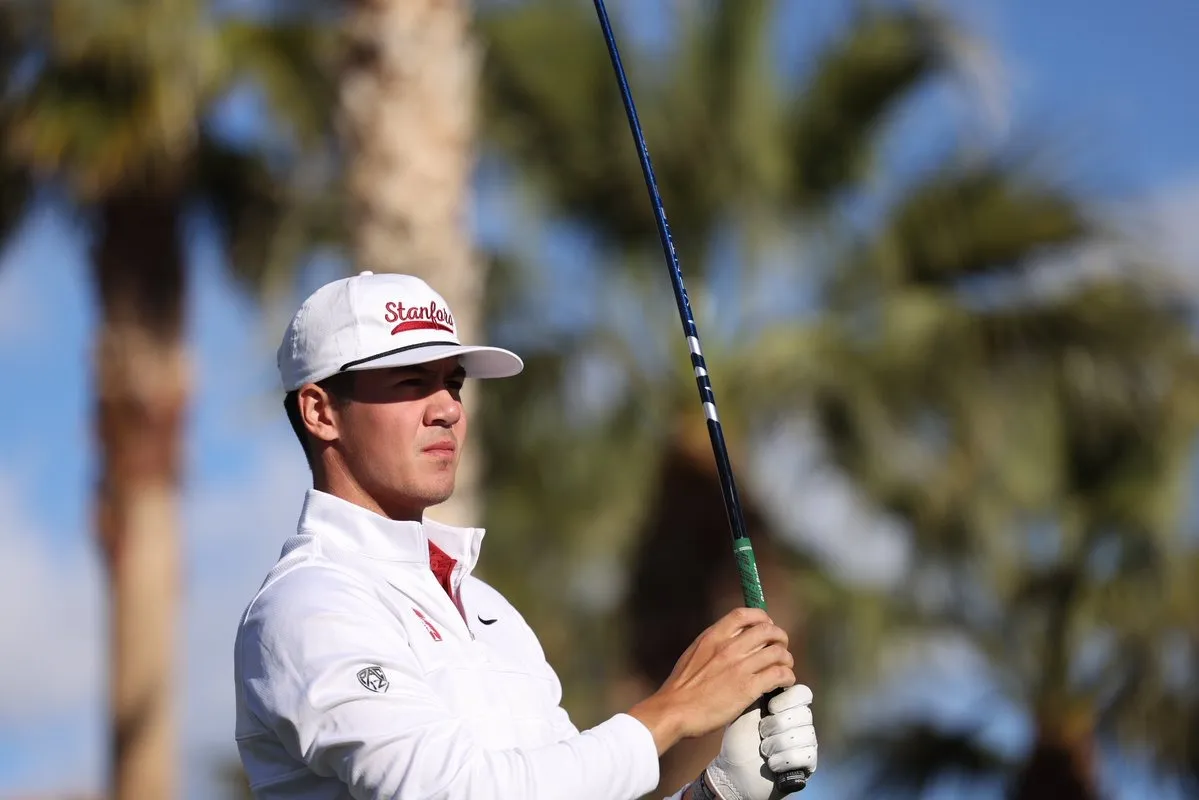
The name deserves an explanation before anything else. In Norse, Thorbjornsen translates loosely to Son of the Bear of Thor. His father Thorbjorn is Norwegian. His mother Sandra Chiang is from Zimbabwe and played college golf at Ursuline College in Ohio. He was born in Cleveland, grew up in Wellesley, Massachusetts, and started playing golf at two years old. The family background is genuinely one of the more unusual in professional golf and the name alone should have guaranteed him some level of recognition before now.
He went to Stanford, the same program that produced Tiger Woods, Tom Watson, and Rose Zhang. His Stanford coach Conrad Ray said publicly that tough shots and stressful situations do not seem to affect Thorbjornsen the way they affect other players. That is not a nothing observation from a man who has been around elite college golfers his entire professional life.
At 16 years old, Thorbjornsen won the 2018 US Junior Amateur at Baltusrol, coming from two down with eighteen holes to play, birdieing the 32nd hole to square the match and then draining a 42-foot birdie putt on the 36th to close it out. That win earned him an exemption into the 2019 US Open at Pebble Beach, where he made the cut at 17 years old, one of the two youngest players to accomplish that feat since the exemption for Junior Amateur champions was introduced. He was a professional event starter in high school. Most people reading this have never heard of him.
He played four years at Stanford, won the 2021 Massachusetts Amateur and Western Amateur, finished second at the 2024 NCAA individual championship, and graduated as the number one player in the PGA Tour University rankings, earning his Tour card without a single round of qualifying school. He turned professional in June 2024 and was runner-up at the John Deere Classic in just his third professional start. He followed that up with a runner-up at the Corales Puntacana Championship in 2025. Two runner-ups in his first 25 starts with no wins and only two top tens otherwise in 2026 coming into this week. The talent was never the question. The closing was.
The Grip
Here is where we have to stop and address the actual story of the week, because it is not just a quirky detail.
The baseball grip, formally called the ten-finger grip, places all ten fingers on the handle with no overlapping or interlocking. The vast majority of professional golfers use either the Vardon overlap, where the pinky finger of the trail hand rests on top of the index finger of the lead hand, or the interlocking grip, where those same two fingers weave together. Tiger Woods and Jack Nicklaus both interlock. Almost everyone you have watched win a Tour event in the last twenty years uses one of those two methods.
The baseball grip is associated with beginners, juniors, players with small hands, and people whose pros have not gotten around to fixing it yet. It generates a small but vocal community of defenders online and almost no defenders among teaching professionals at any serious level. The conventional wisdom holds that it reduces control, promotes excess hand action, and becomes a liability under pressure.
Thorbjornsen has used it his entire life. He was using it when he won the Junior Amateur at Baltusrol. He was using it when he made the cut at Pebble Beach at 17. He was using it through four years at Stanford and two runner-up finishes as a professional. He was using it on Sunday in Detroit when he birdied 14, 15, and then made a 26-footer on the last hole to win the Rocket Classic and collect 1.8 million dollars.
The Detroit News reporter on site called it out directly: he did it all using the frowned-upon baseball grip rather than the interlocking. Score one for the sluggers.
The more interesting question is not whether the grip is unconventional. It obviously is. The question is what his results are telling us about the conventional wisdom that produced the consensus against it. Thorbjornsen finished first in greens in regulation this week, missing only nine greens in 72 holes and just one on Sunday. First in the field. His ball striking with that grip, on an approach play basis, was the best in the tournament. Whatever control problems the baseball grip is supposed to introduce at the highest level of the sport, they were not visible at Detroit Golf Club this week.
The Final Round
Sunday at Detroit Golf Club was genuinely chaotic for most of the back nine and Thorbjornsen was the only one who looked entirely comfortable in the middle of it.
He entered the final round tied for the lead and spent the front nine watching the leaderboard compress. Davis Riley, the 54-hole co-leader, made birdie on the first and then proceeded to make bogeys on three of the next five holes and essentially removed himself from the conversation before the turn. Schauffele, who had played his way into the mix with a Saturday 65, was the obvious threat and played clean golf all day. Rasmus Hojgaard made a run. Hideki Matsuyama posted 64 on the back nine of the day and put a number on the board that required a response.
Thorbjornsen responded. Back-to-back birdies on 14 and 15 separated him from the field at a moment when the tournament was genuinely open. He said afterward it was such a battle and that everyone was in the mix after nine holes. That assessment was accurate. What he did not acknowledge, though others around him did, was how composed he looked relative to the players chasing him. His Stanford coach's observation about stressful situations not affecting him visibly was on display for four hours on Sunday afternoon.
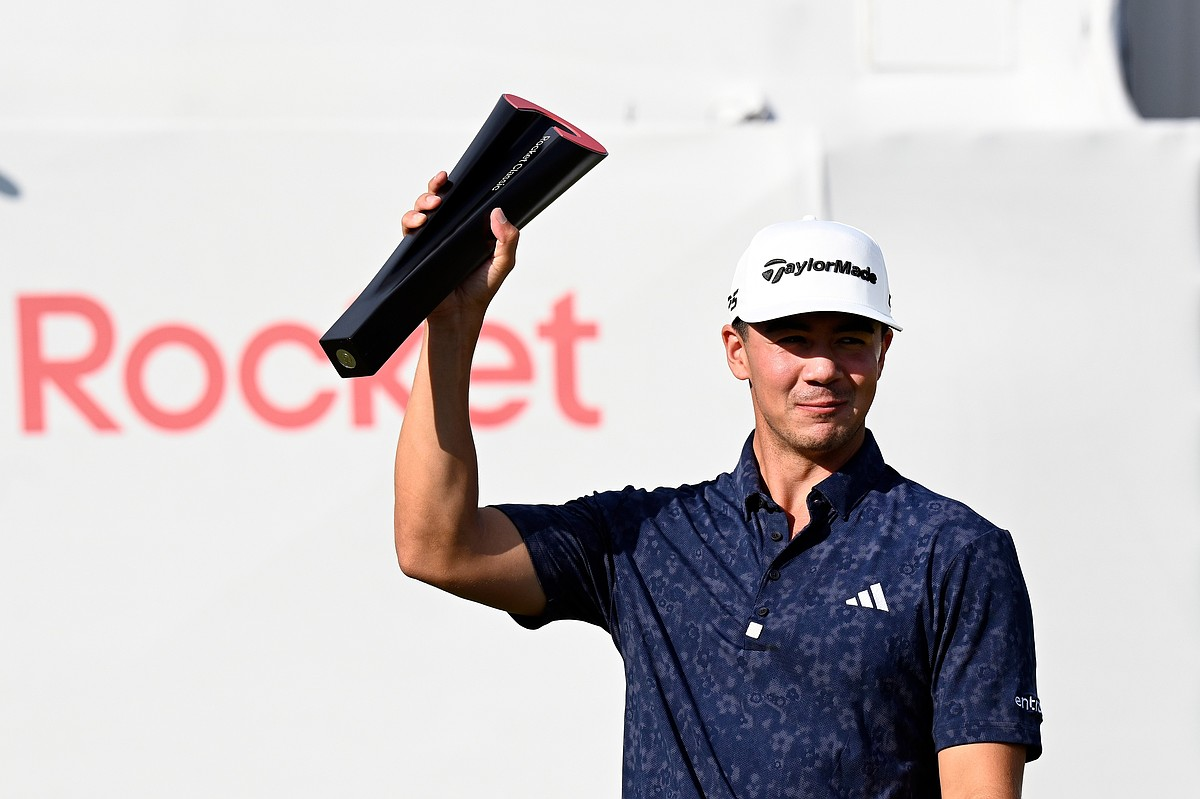
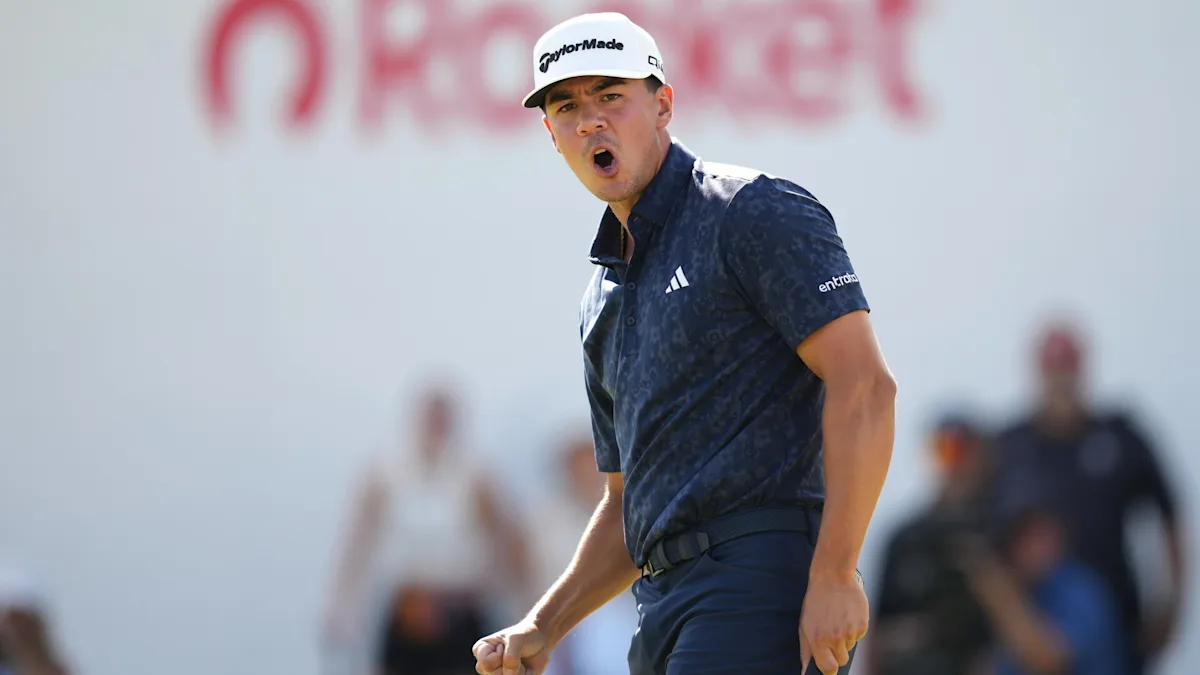
Then came the 18th. Twenty-six feet for birdie. The kind of putt that in another player's hands becomes a nervous two-putt par and a much closer final margin. Thorbjornsen made it. Seven birdies on the day. A 63, the best round of the week. An 18-under total of 262 for the tournament, two clear of Schauffele, and a first PGA Tour title that had been a matter of when rather than if since his runner-up at the John Deere two years ago.
He said he had been in that position a few times this year and did not have the outcome he wanted. He said he knew how to handle it. That framing, quiet and matter-of-fact without being dismissive of what it meant, is the signature of a player who processes competitive pressure as information rather than threat.
SEGMENT 4: The Context and the Tour in 2026
Thorbjornsen is the eighth first-time winner on the PGA Tour this season and the second in back-to-back weeks following Koivun at the 3M. The list of first-time winners in 2026 reads like a who's who of the next generation: Jacob Bridgeman, Ricky Castillo, Alex Fitzpatrick, Kristoffer Reitan, Bud Cauley, Stefano Mazzoli, Jackson Koivun, and now Thorbjornsen. Eight players who had never won on Tour entering 2026, winning. The pathway from elite college golf to Tour victory has never been shorter or more direct.
He also arrived in Detroit sitting 69th in the FedEx Cup standings, one spot inside the bubble for the Playoffs with two events remaining. A missed cut or an unremarkable finish and his postseason status was genuinely at risk. A win catapults him to a comfortable position and earns him exemptions into the 2027 Masters and PGA Championship alongside Tour membership through 2028. The urgency was real even if it was not visible in his body language.
Schauffele finishes runner-up for the third time this season and continues a stretch of elite consistent play that has not quite produced the wins his form deserves. Hojgaard ties for third. Matsuyama ties for fifth after that remarkable back nine. The leaderboard had enough names on it to satisfy anyone who showed up looking for a quality tournament, and the winner justified the occasion fully.
What to Make of the Grip
Here is where I land on the baseball grip question that this week actually raised in a meaningful way.
Nobody serious is suggesting that Tour pros should switch to a ten-finger grip based on one result in Detroit. The sample size is too small, the sport's history too lopsided in the other direction, and the physical differences between players too significant for any universal prescription. If you interlock and it works, keep interlocking.
But Thorbjornsen's win does something useful. It forces an honest reckoning with the question of how much of the conventional wisdom around grip is based on actual biomechanical evidence and how much of it is inherited assumption. The case against the baseball grip at elite level is largely built on what most good players do rather than on documented evidence that it produces worse outcomes. Thorbjornsen has been a refutation of that case since he was 16 years old winning the Junior Amateur at Baltusrol. He just added the most compelling data point yet.
The instruction world will not change. The pros will not start switching grips on Monday morning. The ten-finger grip will still get corrected off junior lesson tees across the country by this time next week. All of that is probably fine and may well be correct as a general matter.
What it is not, as of Sunday afternoon at Detroit Golf Club, is an argument you can make with the same confidence you could make it before Thorbjornsen drained that 26-footer on the last hole. He grabbed the Rocket Classic trophy with all ten fingers. He grabbed it tight. And he did not let go.
The Son of Thor just won a PGA Tour event gripping it like a cleanup hitter. Make of that what you will.