The 10 Most Exclusive Golf Courses in the World — And Why You & I Will Almost Certainly Never Play Them
By Colton Peters · May 25, 2026
Maybe We Show Up With Cookies?
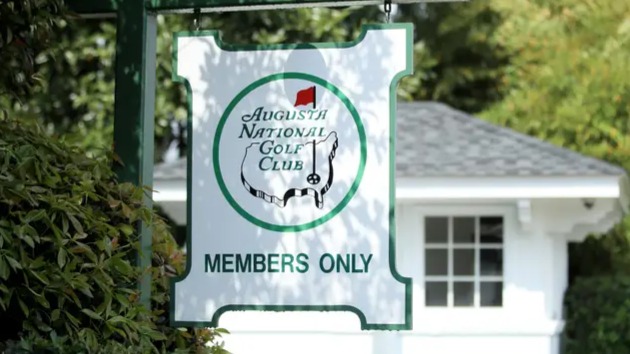
There is exclusive. And then there is this list.
We are not talking about a $500 green fee and a tee time that requires a member recommendation. We are talking about places where money is not even close to the primary barrier. Where the waiting list does not exist because there is no list. Where you are not applying for anything. Where the only way in is if someone who already belongs decides, for reasons they will never fully explain, that you belong too.
There is one more thing worth knowing before we get into the ten. A source I consider extremely credible, a billionaire businessman I met at a tournament who had personally played both Augusta National and The Grove, told me something that rarely gets discussed openly. At certain clubs on this list there are philanthropic pathways. Significant charitable donations tied to causes that the club or its most influential members care about can, over time, establish the kind of relationship that eventually leads to a conversation about membership. This is not a buyable back door. We are talking about eight and nine figure commitments made over years to the right foundations, demonstrating the right values to the right people. It is so far beyond the reach of most humans on earth that it barely registers as a realistic pathway. But it exists and it is probably the closest thing to a real answer anyone will give you on how the truly connected occasionally find their way in.
These are the ten most exclusive golf courses in the world. The story of each one. What it costs if you are somehow invited. The names confirmed behind the gates. And an honest assessment of your odds.
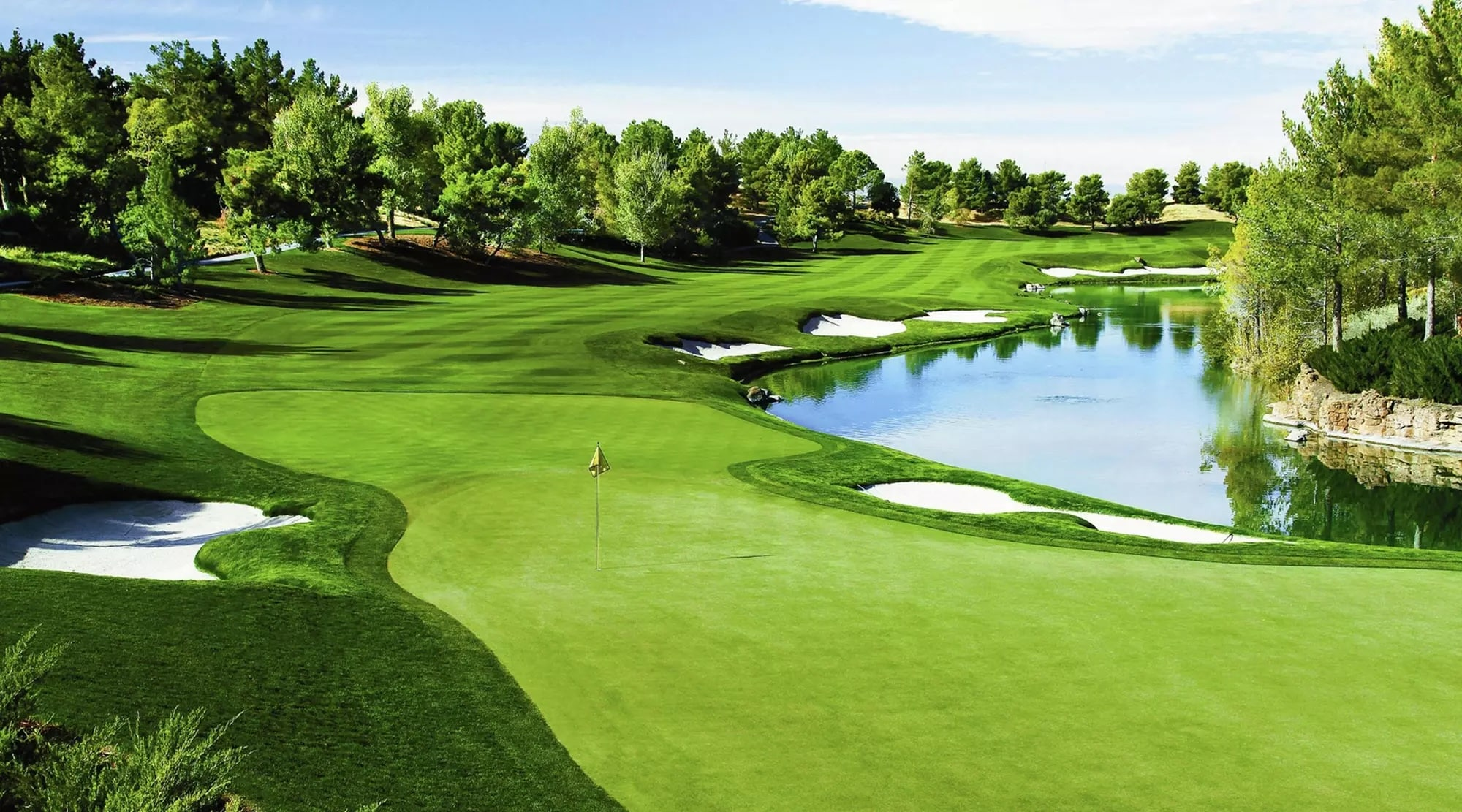
1. Pine Valley Golf Club — Pine Valley, New Jersey
Every conversation about exclusive golf starts here and for good reason.
Pine Valley Golf Club in the Pine Barrens of southern New Jersey has been ranked the number one golf course in the world by virtually every major publication that ranks such things for so long that the debate has essentially stopped. It is not just the most exclusive course in the world. Most serious golf people will tell you it is the greatest course ever built.
George Crump was a Philadelphia hotelier who became so consumed with building the ideal golf course that he sold his hotel, bought 184 acres of scrubland in New Jersey, and spent the rest of his life and fortune turning it into something that looked, at least initially, completely unbuildable. He enlisted Harry Colt, one of the great British architects, and worked on it obsessively from 1913 onward. He died in 1918 before it was finished having apparently spent every dollar he had on the project. Hugh Wilson, who designed Merion, came in and completed the final four holes. The result was a golf course that has never been matched.
The philosophy is straightforward and uncompromising. Hit a good shot and you are rewarded. Miss and you are punished in ways that are genuinely biblical. There is no rough in the traditional sense. Miss the fairway or the green and you are in sandy waste areas of scrub from which making par feels like a moral victory. Ben Crenshaw once said Pine Valley was the most terrifying course he had ever played. It is also by common consent the most magnificent.
Membership sits at approximately 1,000 members. The guest policy is as close to impenetrable as any institution in golf. A member must play with you. No exceptions. No walk-ins. No reciprocal arrangements that simply get you on. If you do not know someone who belongs your odds are zero.
Initiation fee is reported by the New York Post at $250,000 with annual dues around $32,000. Notable members are not publicly confirmed, which is itself part of the mystique. The membership committee vets every candidate with a thoroughness that would make a background check look casual.
Your realistic odds: one in several million. Maybe worse...
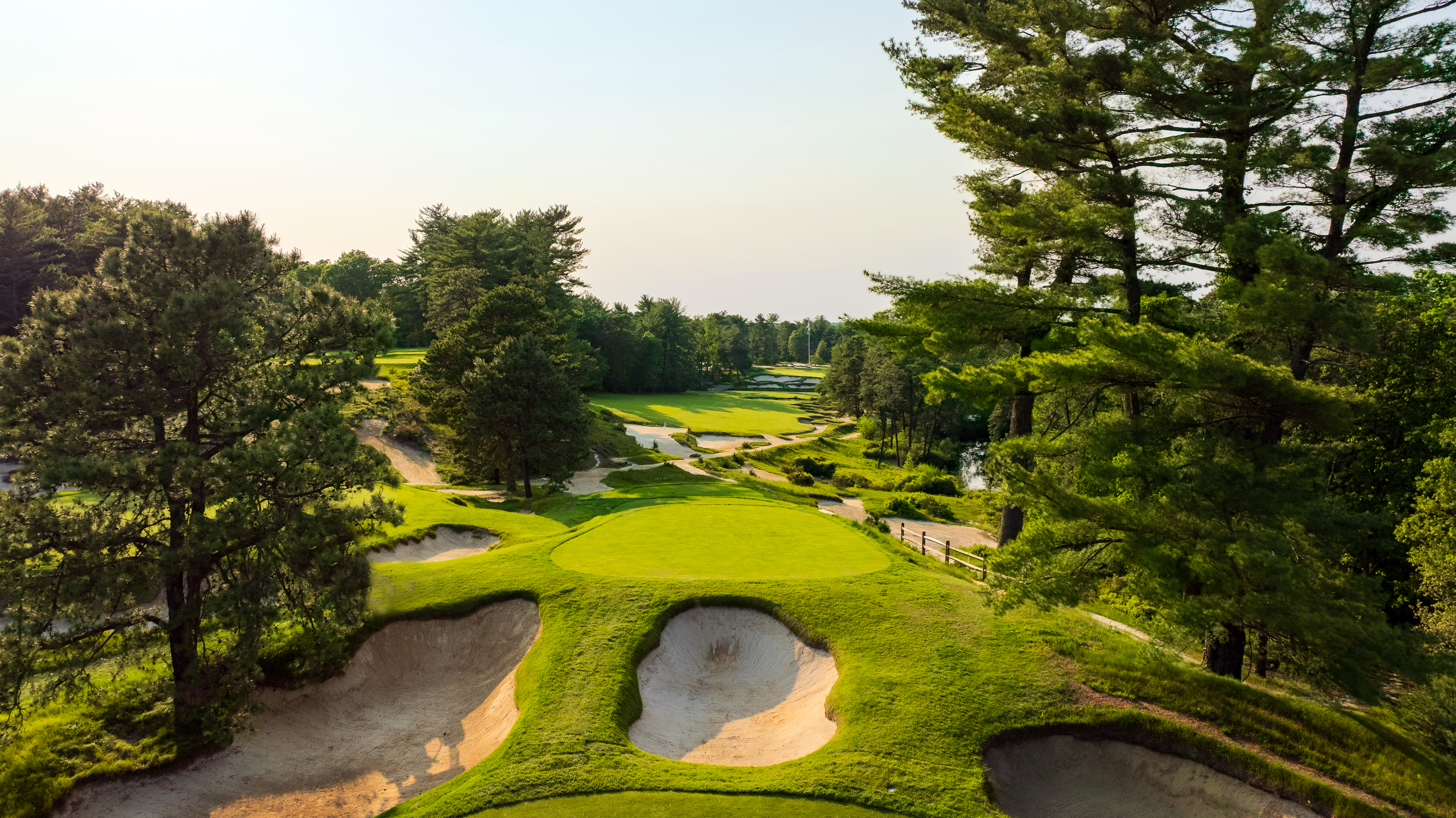
2. Augusta National Golf Club — Augusta, Georgia
You know the name. You watch it every April. And yet the idea that you might actually play Augusta National remains for essentially every golfer alive a complete fantasy.
Bobby Jones and Clifford Roberts founded Augusta National in 1933 on the site of a former indigo plantation and nursery. Jones hired Alister MacKenzie and together they built something that changed what people believed was possible in golf course design. The first Masters was held in 1934. The rest is the most documented history in the sport.
There are approximately 300 members. A position is vacated only when someone dies or resigns. There is no application process. There is no waitlist. If you ask to join your chances reportedly drop to zero immediately. The invitation comes quietly from club chairman Fred Ridley or it does not come at all.
The confirmed membership list reads like a masterclass in American power. Bill Gates and Warren Buffett have long been identified as members through Bloomberg's 2015 deep dive and subsequent reporting. Roger Goodell, the NFL Commissioner, is confirmed. Condoleezza Rice and businesswoman Darla Moore became the first female members in 2012 in what the club called a proud moment in its history. Annika Sorenstam was added in 2023. The 2025 class, confirmed by Sports Business Journal, included Eli Manning, Amazon CEO Andy Jassy, former CBS Sports Chairman Sean McManus, and Delta Airlines CEO Ed Bastian. Peyton Manning is also a reported member. Jack Nicklaus is a full member. Stanley Druckenmiller and Dirk Ziff, two of the most respected names in finance, are confirmed. Pete Coors, former chairman of the Coors brewing empire, belongs. Ron Townsend became the first African American member in 1990.
The financial cost is one of golf's great open secrets. Initiation fee is estimated between $40,000 on the conservative end and $500,000 on the high end depending on the source. Annual dues are reported somewhere between $10,000 and $30,000. By the standards of elite private clubs Augusta is not the most expensive to belong to financially. It is simply the most impossible to get into socially and professionally.
Since 2022 the guest policy tightened significantly. A member must now accompany and play with any guest at all times. And remember what the businessman told me. If there is a philanthropic pathway to Augusta it runs through the Masters Tournament Foundation and causes that align with Fred Ridley's long-term vision for the game. Nobody is writing a check to Augusta National Golf Club. They are building relationships that span years with the institutions the membership cares about most.
Your realistic odds: if you are not already the CEO of a Fortune 500 company, a former president, a Ryder Cup caliber player, or directly connected to someone already inside those gates, the number is effectively zero.
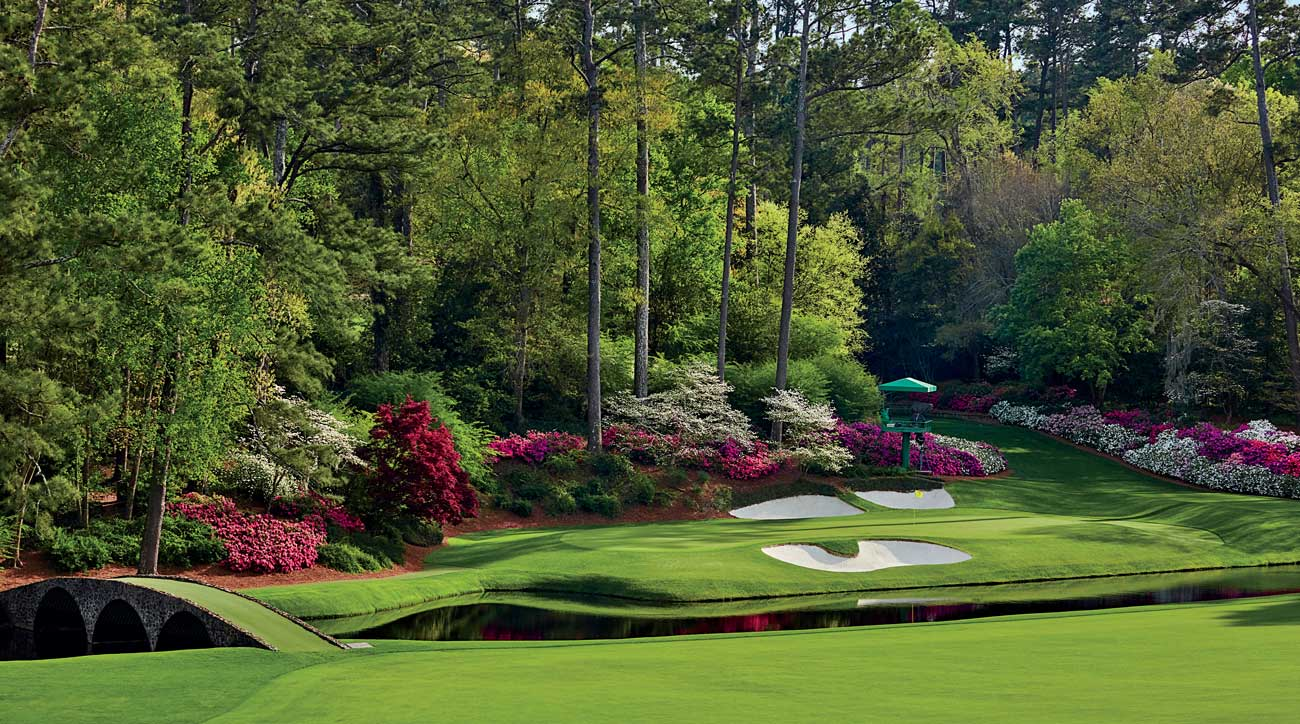
3. Cypress Point Club — Pebble Beach, California
Bob Hope once joked that a membership drive at Cypress Point was meant to drive out members.
Alister MacKenzie said in 1932 that he did not expect anyone would ever have the opportunity of constructing another course like Cypress Point, because he did not suppose anywhere in the world there was such a glorious combination of rocky coast, sand dunes, pine woods, and cypress trees. He has been proven completely right in the ninety years since.
The course opened in 1928 on the Monterey Peninsula, designed by MacKenzie with significant creative involvement from Marion Hollins, a women's amateur champion who had the vision and the connections to make it happen.
There are 250 members. The membership list is whispered about but never formally confirmed in full. However multiple credible sources including Golf Digest, Front Office Sports, and Golf.com have identified the following as members: Jim Nantz, Clint Eastwood, Charles Schwab, Condoleezza Rice, and businesswoman Heidi Ueberroth. Historically Bob Hope, Bing Crosby, and Arnold Palmer all belonged.
The par three sixteenth hole, which plays anywhere from 143 to 233 yards across the Pacific Ocean to a green perched on a rocky cliff surrounded by crashing waves, is the most dramatic hole in golf. It is not debatable.
The members protect this course with religious ferocity. When Cypress Point agreed to host the 2025 Walker Cup it did so on the explicit condition that the USGA make zero architectural changes. Not one bunker adjusted. Not one tee moved. The course stays exactly as MacKenzie left it.
One of the most elegant financial structures in all of private golf is how Cypress Point handles its dues. Rather than charging each member a fixed annual fee the club divides its total annual operating costs equally among all 250 members. Everyone pays the same amount regardless of how often they play or how many times they visit. The initiation fee is reported at $250,000. Annual dues based on equal cost sharing are estimated in the range of $15,000 to $20,000.
Getting on: you need to know a member and you need them to want to bring you. Even for members, tee times are scarce. On an average day, only about 30 golfers play the course. The guest invitation is a genuinely rare commodity.
Your realistic odds: marginally better than Augusta or Pine Valley only because the membership is slightly more geographically distributed. Still effectively zero without a direct personal connection.
4. Seminole Golf Club — Juno Beach, Florida
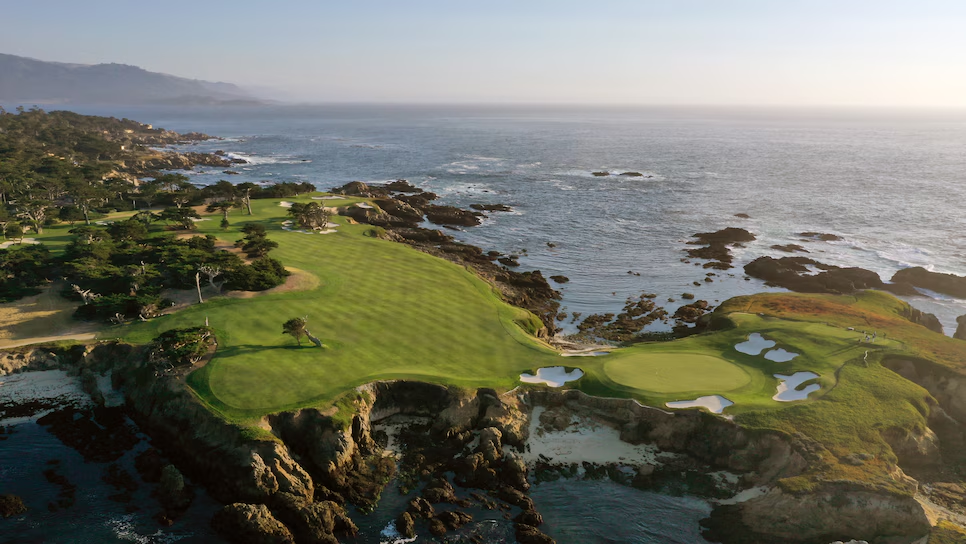
If Augusta is the most famous course on this list, Seminole is the most respected among the people who know the most about golf. It is the course that tour professionals talk about in whispers. The place they want to play more than anywhere else they cannot get on.
Donald Ross designed Seminole in 1929 and it is considered his masterpiece, which is an enormous statement from the man who also designed Pinehurst Number Two, Oakland Hills, and dozens of other courses that appear on every best in the world list. Ross built Seminole on a ridge of oceanfront land in Juno Beach, Florida, using natural elevation changes and the prevailing Atlantic winds to create a course where the same hole plays completely differently depending on the wind direction. Which is to say, every single day.
The history here is genuinely extraordinary. Ben Hogan practiced at Seminole every year before The Masters. Claude Harmon Sr., the club's winter professional from 1945 to 1957, shot a course record 60 in 1947, the year before he won the Masters. His son Butch Harmon, who went on to coach Tiger Woods and Phil Mickelson, learned to play the game at Seminole as a six year old. The Harmon dynasty has its roots here.
The membership is a roster that spans a century of American power. In 1947 the membership included Joseph P. Kennedy, Henry Ford II, Jack Chrysler, Paul Mellon, and Robert Vanderbilt. Presidents John F. Kennedy and Gerald Ford played here often. Dwight Eisenhower was an honorary member. The Duke of Windsor was a full member. Current confirmed members according to Golf Digest and Golf.com include Tom Brady, Michael Bloomberg, Larry Fitzgerald, Rob Manfred the MLB Commissioner, PGA of America CEO Pete Bevacqua, and Jimmy Dunne who serves as club president. Rory McIlroy's father Gerry is a member, which is how Rory has access and why he has called it one of his favorite places in the world to practice.
The 2020 TaylorMade Driving Relief charity match between McIlroy, Dustin Johnson, Rickie Fowler, and Matthew Wolff held at Seminole during the pandemic shutdown marked the course's television debut after 91 years of determined privacy.
Initiation fee estimated by credible sources at between $150,000 and $300,000. Annual dues in the range of $15,000 to $30,000. All estimates only. The club does not publish any of these numbers.
Getting on: Invitation only and the vetting is thorough. This is a course where people who know things know to ask quietly rather than loudly.
5. National Golf Links of America — Southampton, New York
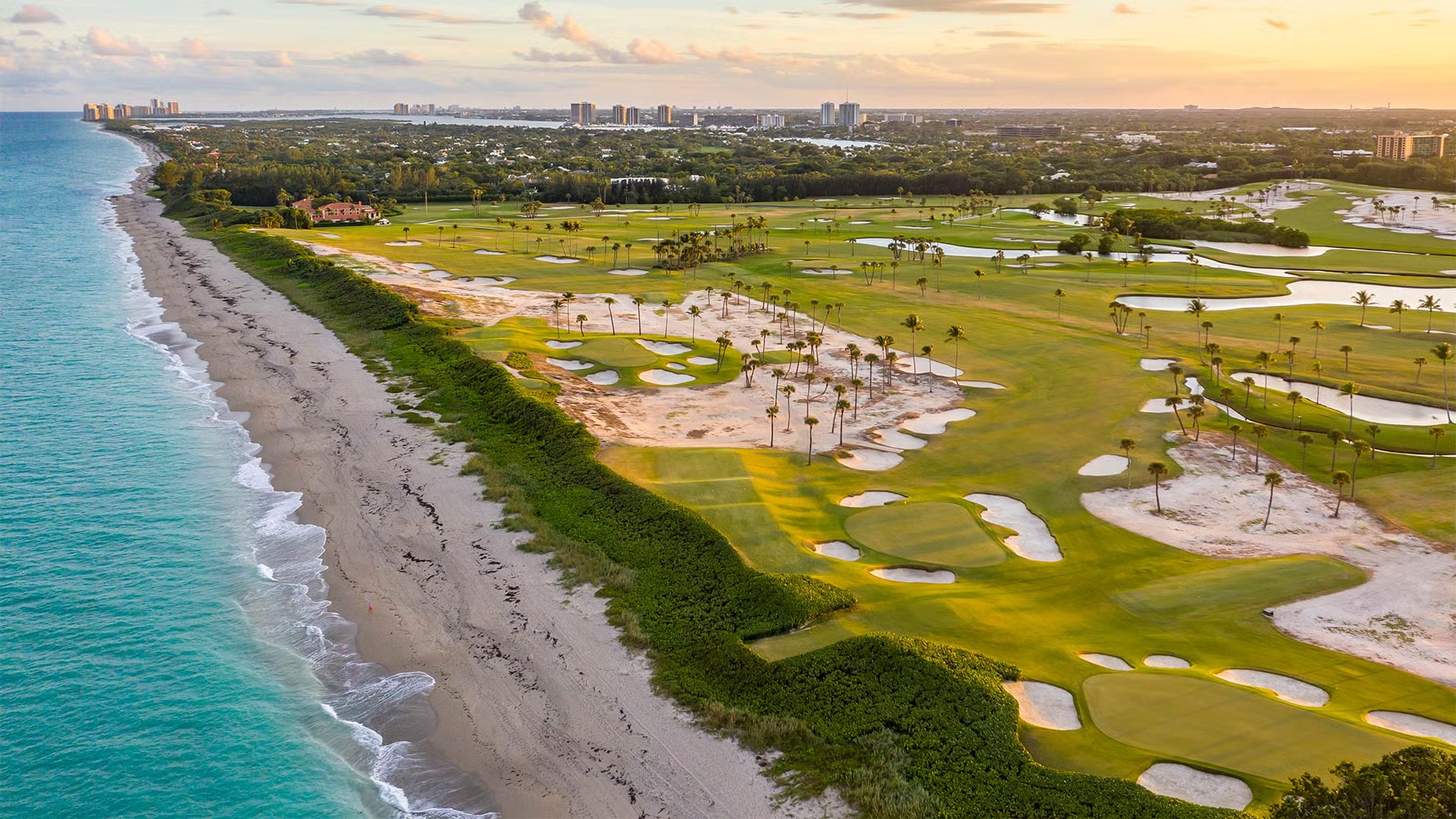
Known simply as National by everyone who has been there and everyone who knows what it represents, the National Golf Links of America is the founding document of American golf course architecture.
Charles Blair Macdonald was the first United States Amateur champion, a founding member of the USGA, and the most opinionated man in the history of golf. He spent five summers in the early 1900s traveling to Scotland and England, studying every great hole on the British Isles, taking notes on what made them work. He came back to America determined to build something that would establish the standard. He found 253 acres on the edge of Peconic Bay in Southampton, New York, hired a local surveyor named Seth Raynor who would go on to become one of America's greatest architects himself, and opened National in 1911.
The course is built entirely on the template hole concept. Every hole is a faithful American interpretation of a famous British hole. The Road Hole and Eden from St. Andrews. The Alps from Prestwick. The Redan from North Berwick. The Sahara from Sandwich. Walking the property feels like a tour of the sport's DNA.
National hosted the first Walker Cup in 1922 and again in 2013. It has never hosted a men's professional major by deliberate choice. The membership has no interest in the logistical circus of professional tournament golf. Membership fees are not publicly disclosed. Estimates suggest an initiation fee somewhere above $150,000 with annual dues in the range of $15,000 to $25,000.
Getting on: Invitation only, member sponsored, and deeply difficult.
6. Fishers Island Club — Fishers Island, New York
This is the one that the people who have played it will not stop talking about and the rest of us have largely never heard of. And the reason most people have not heard of it is the first thing you need to understand.
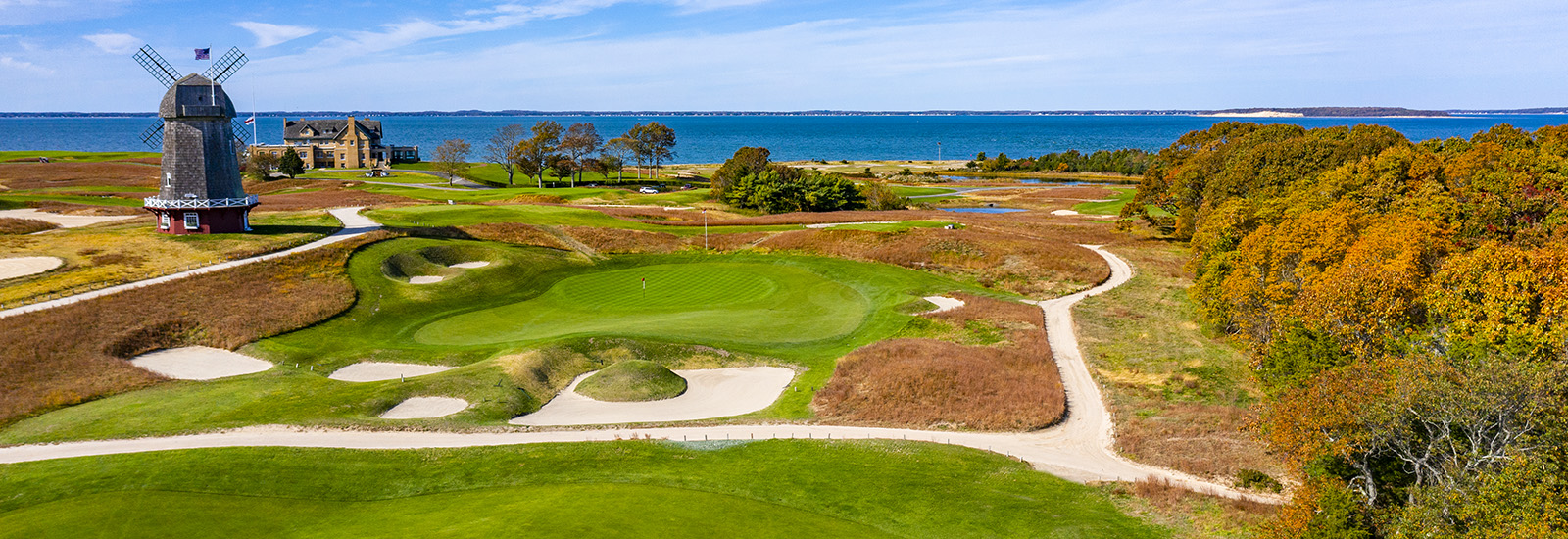
Fishers Island is a small private island in Long Island Sound off the coast of New London, Connecticut. No bridge. Ferry only. Approximately 300 year-round residents. The golf course was designed by Seth Raynor and opened in 1926 shortly after Raynor died unexpectedly. His associate Charles Banks completed the final details. Golf Digest ranked it the tenth best course in the United States in their most recent ranking. It has been called the Cypress Point of the East and the description is accurate.
Three holes appear on Golf Digest's list of America's 100 greatest individual holes. Raynor's signature geometric bunkers and steeply banked greens are perfectly preserved. Reported members include Oprah Winfrey and Julia Roberts according to multiple sources, though the club does not confirm its roster publicly. Initiation fees are reported at $250,000 with annual dues estimated at $25,000 or higher.
Getting on: the ferry situation alone eliminates most casual access attempts. The most repeated piece of advice circulating in golf circles for years is to befriend a ferry worker, who are reportedly allowed to play the course one day per year and bring a guest. Your move.
7. Golf de Morfontaine — Oise, France
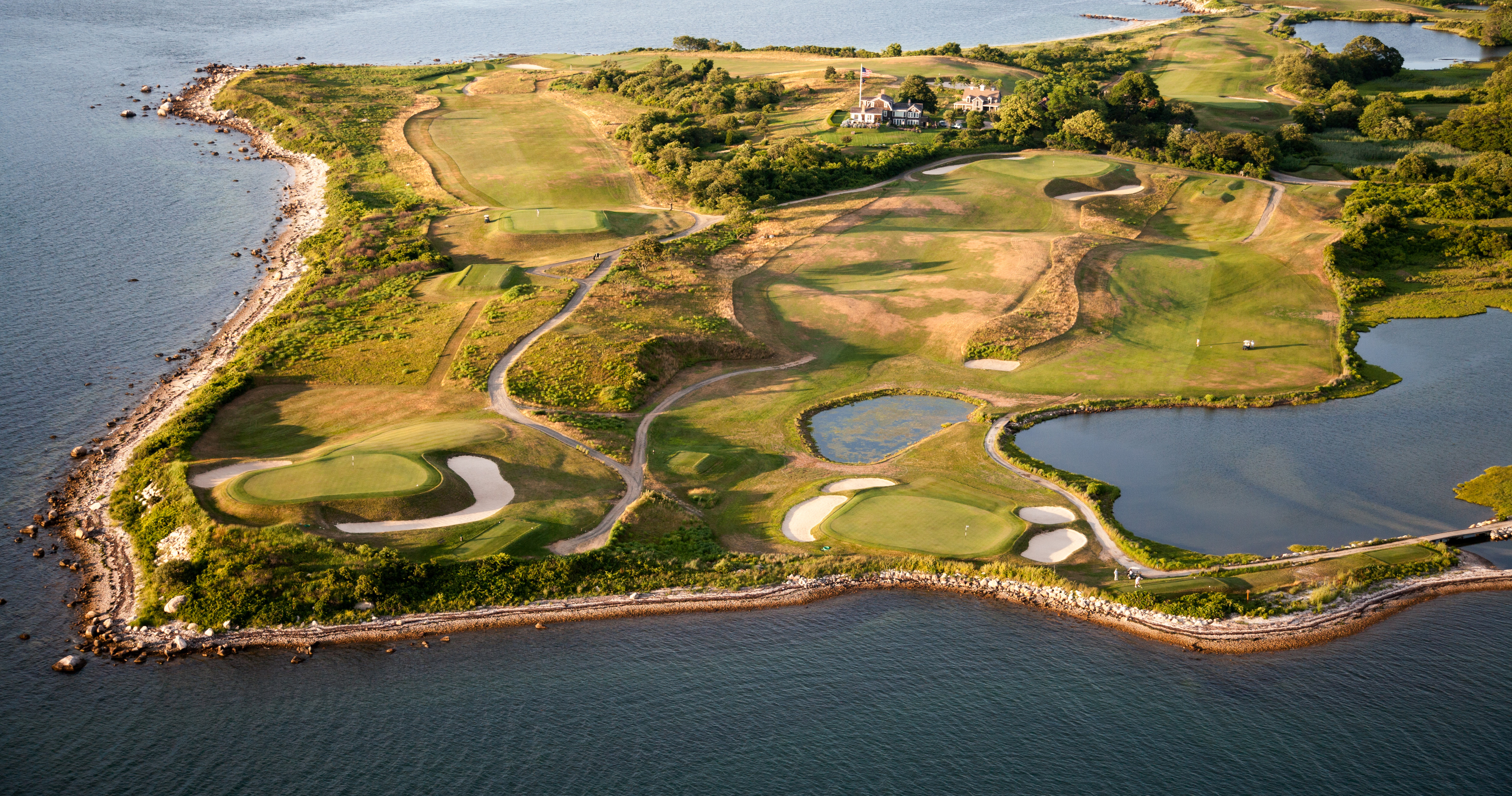
The club has no website. No publicly listed phone number. No address in any golf directory. The entrance is unmarked. It has never sought attention and has never received any it did not want. That is not an accident. That is the entire point.
Located about 30 miles north of Paris in the Oise forest, Morfontaine was built in 1927 on the private estate of the Rothschild family and designed by Tom Simpson, the eccentric British architect who wore a beret and cape to his course inspections. His work at Morfontaine weaves through pine forest and heather in a way that makes it look entirely natural, as though the holes grew out of the ground rather than being imposed on it.
It is consistently ranked among the top 20 golf courses in the world and is considered the finest golf course in continental Europe. Bernard Darwin, the legendary golf writer, called it one of the most beautiful and natural golf courses in the world in 1937. The description has aged perfectly.
The membership is tiny, international, and financially opaque. Estimates place the initiation somewhere between $150,000 and $300,000 USD equivalent. These figures are speculative at best. Notable members are not publicly identified, which is consistent with a club that has operated in deliberate obscurity for nearly a century.
Getting on: you need to know a French industrialist or a European aristocrat with a passion for golf who is already a member. That narrows the field considerably.
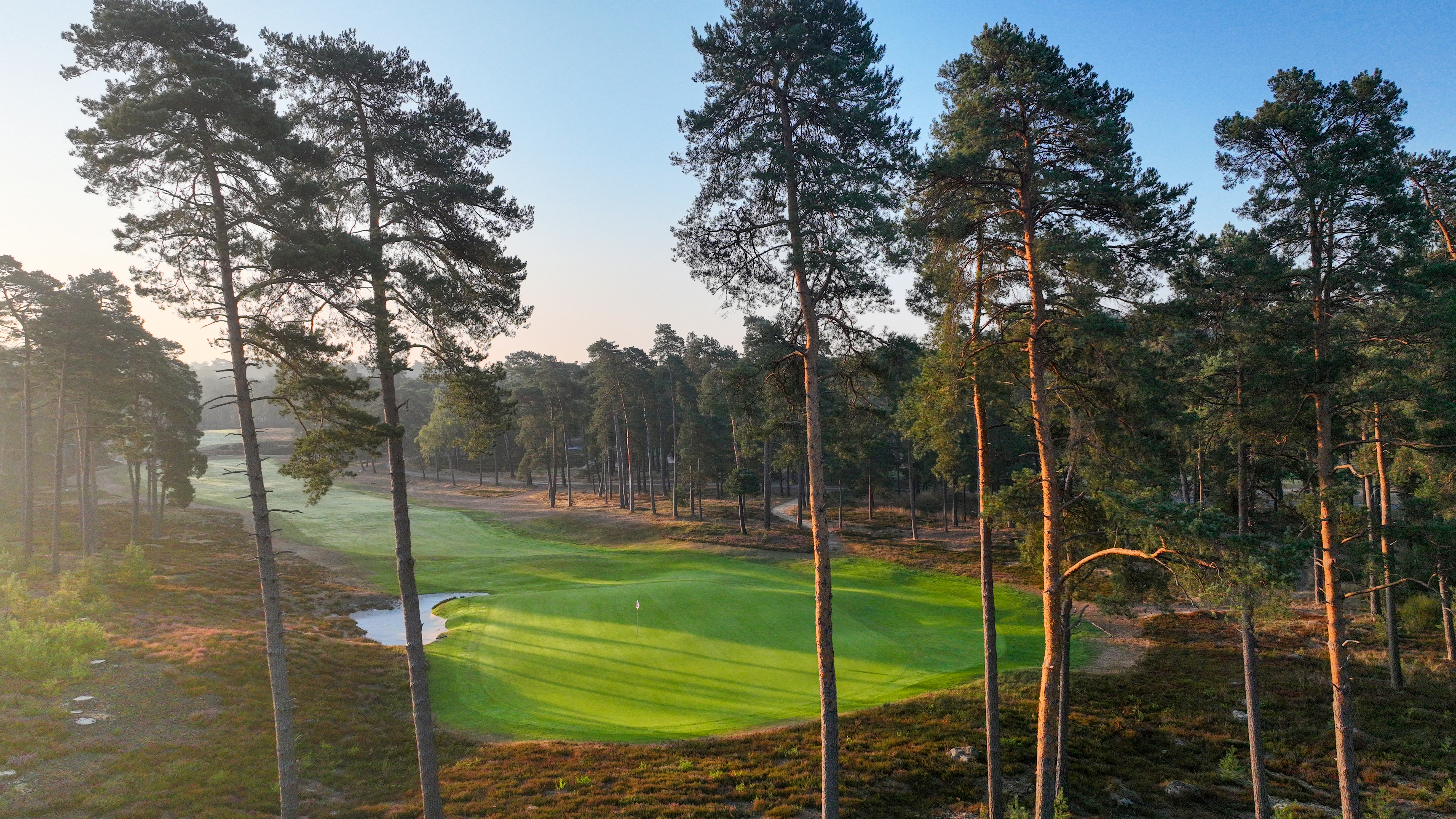
8. The Grove XXIII — Hobe Sound, Florida
This one is a bit of a mystery and I will be honest with you about why it almost did not make this list.
Michael Jordan built The Grove XXIII, the name referencing his famous jersey number, in Hobe Sound, Florida, and opened it in 2019. Gil Hanse designed it. By all accounts, it is a spectacular golf course. But the reason it makes this list is not the architecture. It is the membership.
There are reportedly fewer than 80 members. The confirmed and reported membership according to multiple credible sources includes Rory McIlroy, Justin Thomas, Rickie Fowler, Wayne Gretzky, John Elway, and Ken Griffey Jr. Michael Jordan is the host. The vibe is competitive recreational golf played at the absolute highest level by people who are used to being the best in the room at everything they do.
Here is where it gets interesting. The Bob Does Sports crew, one of the most popular golf YouTube channels in the world, have made passing references to The Grove XXIII in side comments over the years. Sharp eyed viewers have also caught Grove XXIII headcovers and merchandise appearing in their content. Nothing formally documented. Nothing announced. Just the kind of quiet details that surface when you are paying attention and that confirm access has happened at some level without ever being made into a story.
That gave me pause. I debated putting The Grove on this list at all because of it.
But context matters here. Bob from Bob Does Sports is not your average golf content creator showing up with a camera and hoping for the best. At this point in his career the guy has serious athlete connections at the highest level of professional sport. The access he has built goes well beyond what any YouTube channel would suggest on the surface. So the fact that Grove merchandise has surfaced in his world makes a lot more sense when you understand who he actually knows and who he is actually talking to on a regular basis. It is less a crack in the exclusivity and more a reminder that access at The Grove flows through personal relationships with the right people. Bob has those relationships. Most of us do not.
After my own firsthand conversation with someone who has personally played both The Grove and Augusta National, I kept it on the list. The reality is that for the average golfer reading this, The Grove is still effectively out of reach. The membership is still fewer than 80 people. The invitation still flows from Jordan himself. It is just that Jordan's definition of who belongs in his world is his alone to decide and it is not a definition that includes most of us.
Membership costs are not publicly disclosed. Initiation fee estimated between $150,000 and $500,000.
Getting on: be friends with Michael Jordan or build the kind of athlete network that takes a decade of serious work to establish. Both feel equally achievable for most of us.
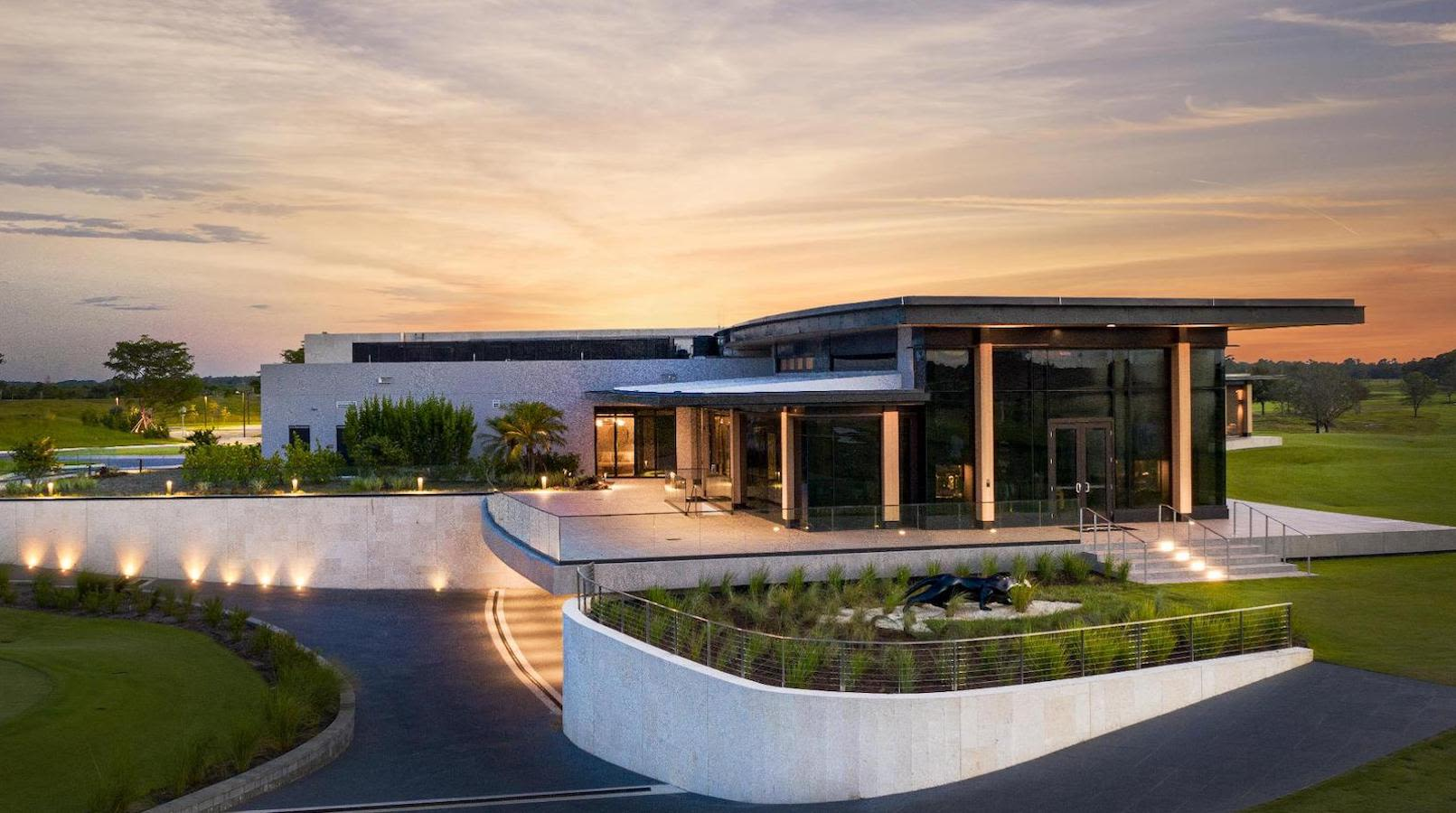
9. Hirono Golf Club — Hyogo Prefecture, Japan
Every list of the most exclusive courses in the world tends to be dominated by American and British names. Hirono is the exception that forces everyone to expand their definition of great and exclusive.
Located in the Hyogo Prefecture outside Kobe, Japan, Hirono was designed in 1932 by British architect Charles Alison on a pine-covered hillside at the invitation of a local industrialist. Golf Digest has called it one of the finest inland courses in the world. It is consistently ranked in the top 50 globally and is the highest-ranked course in Asia on virtually every serious list.
The membership is extraordinarily small and the culture around it reflects Japanese values of discretion, privacy, and respect for the institution above the individual. The course is immaculate in a way that puts most Western clubs to shame. The caddies, who are mandatory, are among the most knowledgeable in the world. Pace of play is brisk. The traditions are maintained with a precision that feels appropriate for a place where everything is treated as craft.
Getting on as a foreigner is genuinely one of the hardest golf assignments on earth. The membership is Japanese. The culture is Japanese. The introductions required are deeply embedded in Japanese business and social structures that most Western golfers have no access to. Membership costs are not published anywhere in English. Estimates from golf travel writers range widely with initiation fees estimated between $150,000 and $400,000 USD equivalent.
Your realistic odds as a non-Japanese golfer: extremely low without a very specific set of professional connections to the Japanese corporate world.
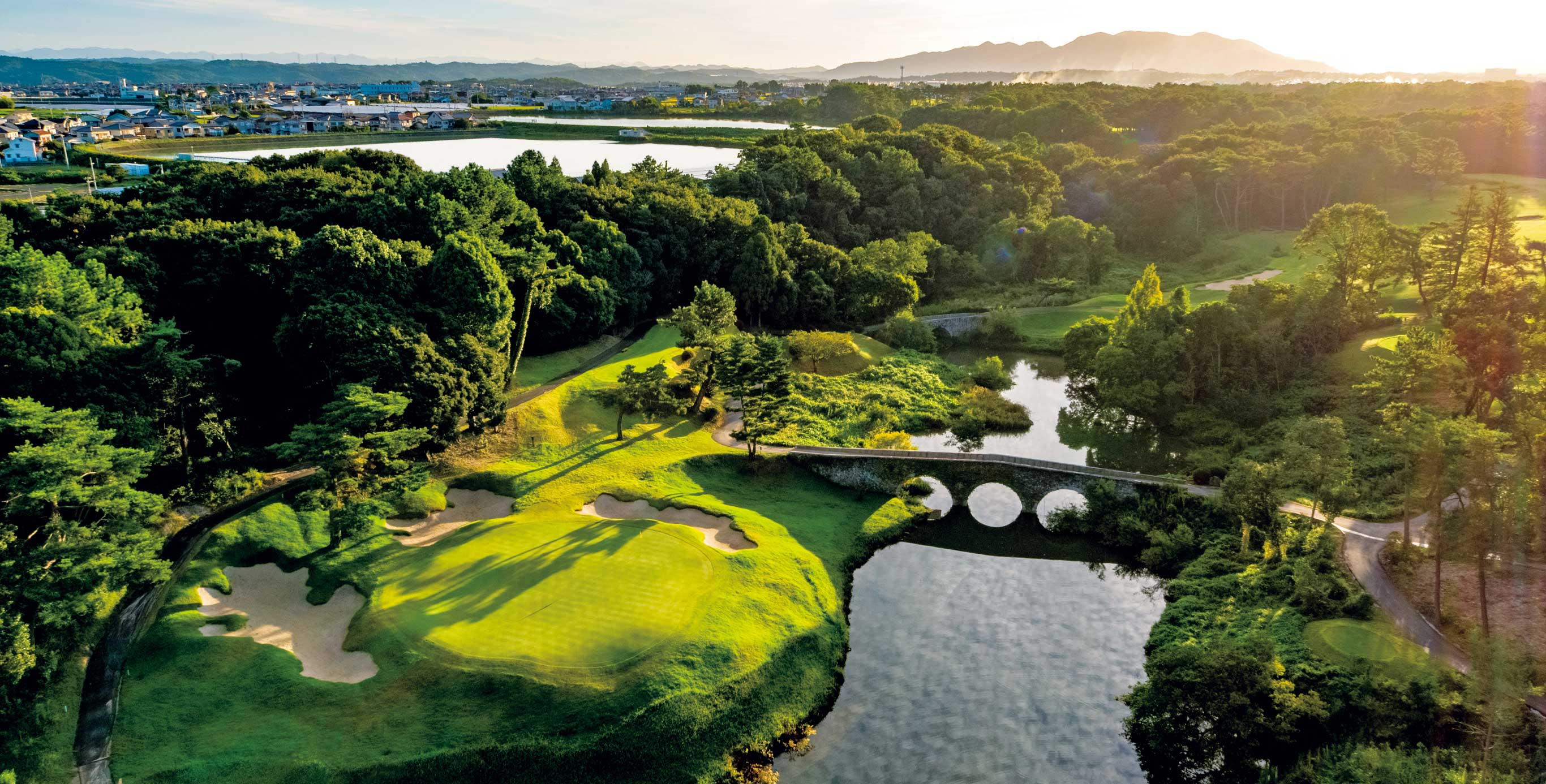
10. Swinley Forest Golf Club — Berkshire, England
The final course on this list is the one that most American golfers have never heard of and the one that everyone who has played it ranks among the most special golf experiences of their lives. It does so with essentially no profile, no marketing, and no interest whatsoever in being known.
Swinley Forest sits in the crown lands of Windsor Forest in Berkshire, England, about 25 miles west of London. Harry Colt designed it in 1909 and it is considered by many architects and serious golf historians to be his finest work. That is an enormous statement from the man who also designed Sunningdale Old, Royal Portrush, and Wentworth. The course weaves through heather and silver birch woodland with a naturalness and elegance that makes it feel discovered rather than built.
The membership is approximately 250 people and the waiting list is described as generational. Members refer to Swinley Forest simply as The Cabbage, because that is what the heather looks like viewed from above. The club has no website. It does not participate in rankings. It is not interested in being ranked. The members know what they have and that is enough.
Initiation and dues are completely private. The financial cost is not the primary barrier. The waiting list and the social introduction required make money almost beside the point. Notable members are not publicly identified, which is consistent with a club that has operated in deliberate obscurity since Edwardian England.
Getting on as an American golfer: you need a current member to introduce you and you need the patience of someone who understands the queue they are joining has people in front of them who have been waiting for years. Swinley Forest sits within the same stretch of Berkshire heathland as Sunningdale, Wentworth, and The Berkshire, which are accessible and extraordinary in their own right. Once you play any of those you will understand exactly what Swinley Forest is. And you will understand why getting on matters.
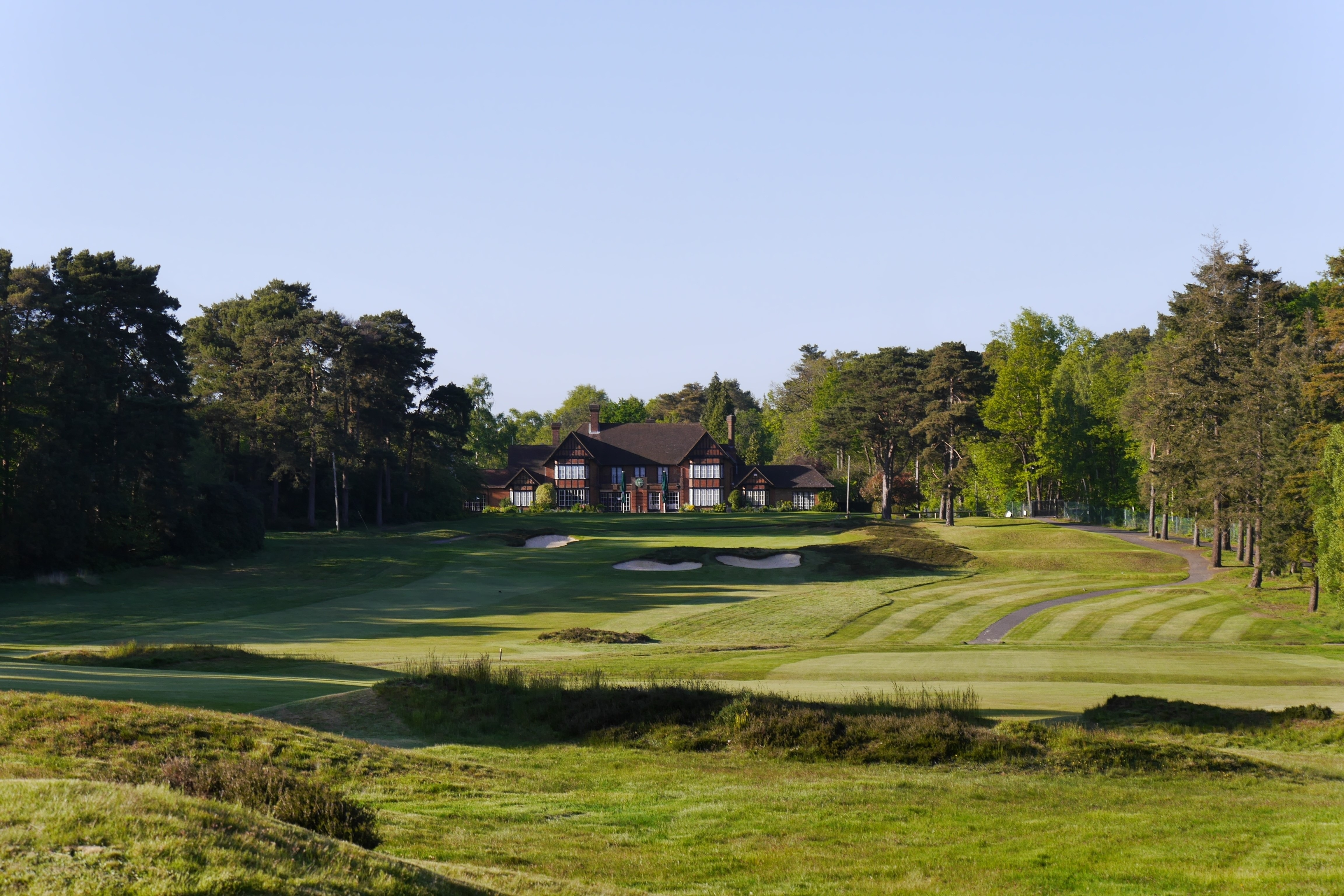
Well that was depressing, but here's the good news!
Most of us will never play any course on this list. And honestly that is okay. But the ten courses above are the extreme end of the spectrum. There are incredible private clubs all over this country that are far more reachable than Augusta or Pine Valley, and there are legitimate ways to get through the gates that most golfers never think to try.
Here is what actually works at the local and regional level.
Build a genuine relationship first. Not a transactional one. Not the guy who mentions every three conversations that he would love to play their course someday. A real friendship built around shared interests, mutual respect, and time. Members invite people they enjoy spending four hours with. Be that person and the invitation tends to take care of itself without you ever having to ask.
Write a handwritten letter to the head professional or the club manager. This sounds old fashioned and that is exactly why it works. In an era of emails and DMs a thoughtful, well written letter on paper stands out completely. Introduce yourself, explain your connection to the game, express genuine admiration for the club and its history, and make it clear you are not asking for anything beyond the opportunity to experience the course one time. There are documented stories of golfers getting on some of the most respected private clubs in the country through nothing more than a well crafted letter. It costs you a stamp and twenty minutes. The upside is significant.
Call the pro shop directly and ask what is possible. This is the most underutilized approach in golf. Many private clubs have membership ambassador programs where they will host a prospective member for a round at a guest fee. Even if you have no intention of joining, a conversation with a membership director can open doors you did not know existed. The worst they can say is no and most of the time they appreciate the directness.
Look for Monday charity outings. Many private clubs supplement their revenue by opening the course on Mondays for charity events, corporate outings, and alumni tournaments. The entry fee is often several hundred dollars, part of which is tax deductible, and it gets you legitimate access to a course that is otherwise members only. Search the club name alongside charity golf outing and you will be surprised what comes up. Treat the day seriously, play well, behave impeccably, and you are now someone the membership has seen in person on their property.
Compete in local and regional amateur events. State and regional golf associations regularly hold qualifying events and stroke play competitions at private venues across the country. A USGA Handicap, some competitive history, and the willingness to enter puts you on some of the best private turf in your region through the most legitimate door that exists in the game.
The courses at the top of this list operate by rules that most of us will never be close enough to touch. But the private clubs in your own backyard are a different conversation entirely. Show up with genuine respect for the game, treat people well, and put in the effort that most golfers never bother with.
The door opens more often than you think.
Enjoy our articles? Please subscribe by clicking HERE. I am not going to send you spam slop, the articles will just get delivered to your inbox so you can read them right from there. As a sport psych proffesional I also give every new subscriber a free cognitive performance golf guide to get the reader another way to try and get better for free! Thanks so much everyone.