US Open Full Preview
By Colton Peters · June 12, 2026
The Course, Storylines, and Betting
The History of Shinnecock
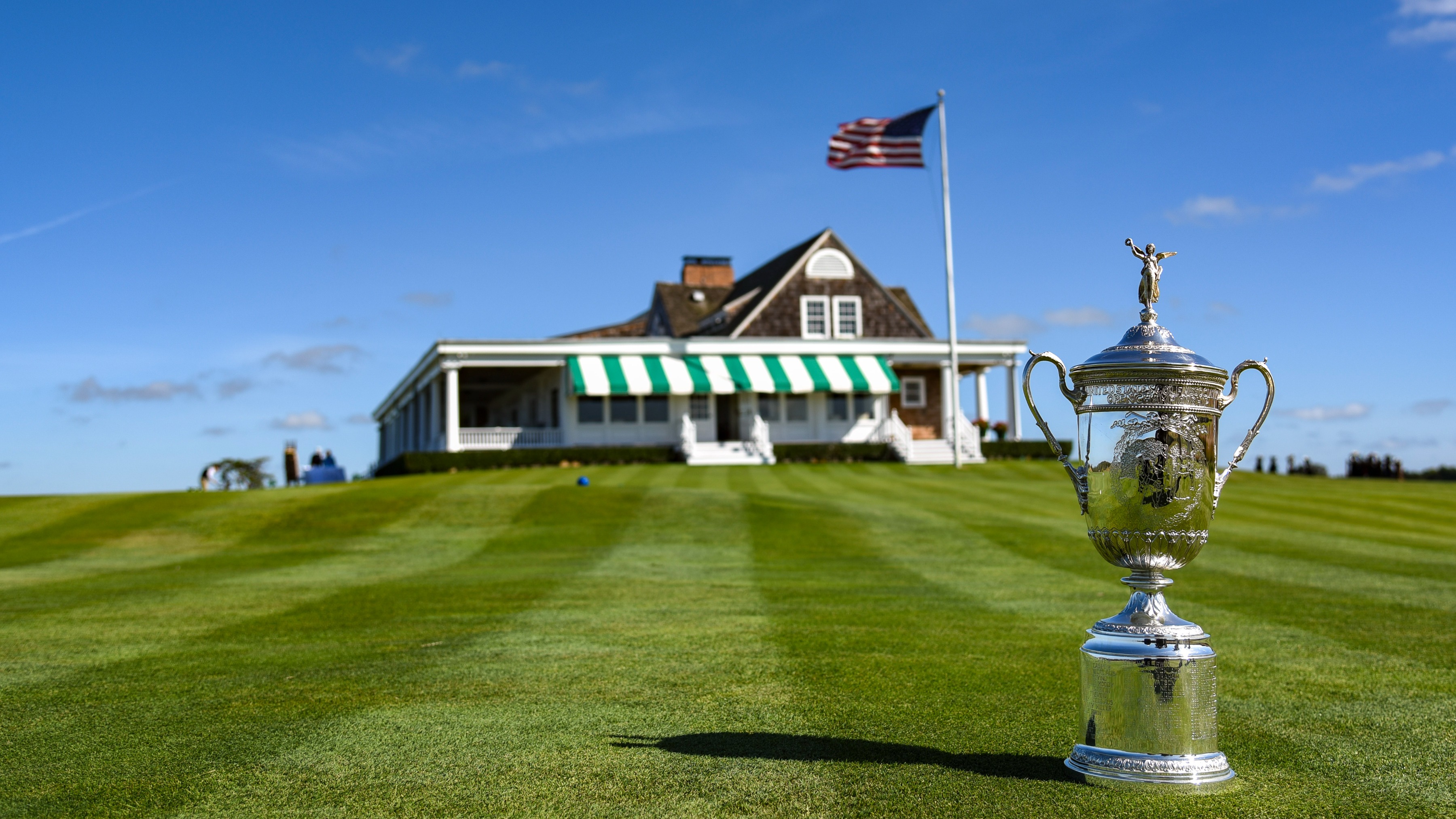
Shinnecock Hills is one of the five founding clubs of the USGA. Founded in 1891, it is the oldest incorporated country club in the United States and it hosted the second US Open and second US Amateur back in 1896. This is the sixth time the US Open has come here, and the club will host it again in 2036, so this place is not going anywhere.
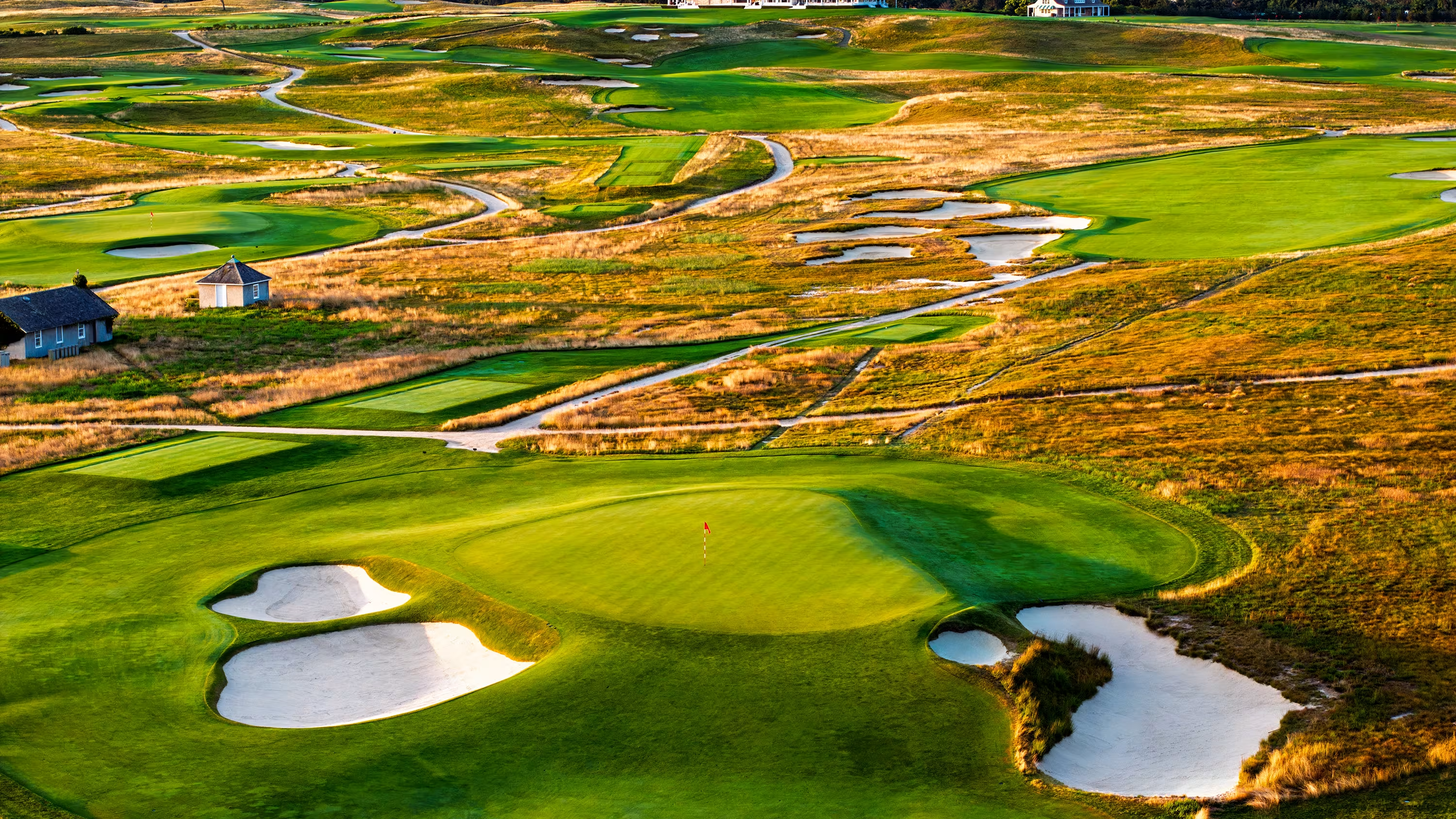
The original course was designed by Willie Davis with twelve holes in 1891. Four years later Willie Dunn added six more to round it out to eighteen. In 1916, Charles Blair Macdonald, the same guy who built National Golf Links of America that we covered in our exclusive courses piece, came in with Seth Raynor and modernized several of the signature holes. Then in the late 1920s a planned road forced the club to buy 108 acres of new land to the north and east, and William Flynn was brought in to design what is essentially the course we see today. Flynn opened the new layout in 1931 and the architecture has barely been touched since. Some trees that used to frame holes have been removed over the decades, and Bill Coore and Ben Crenshaw made some green and fairway expansion tweaks in 2012, but the bones of this golf course are nearly a hundred years old and they have aged perfectly.
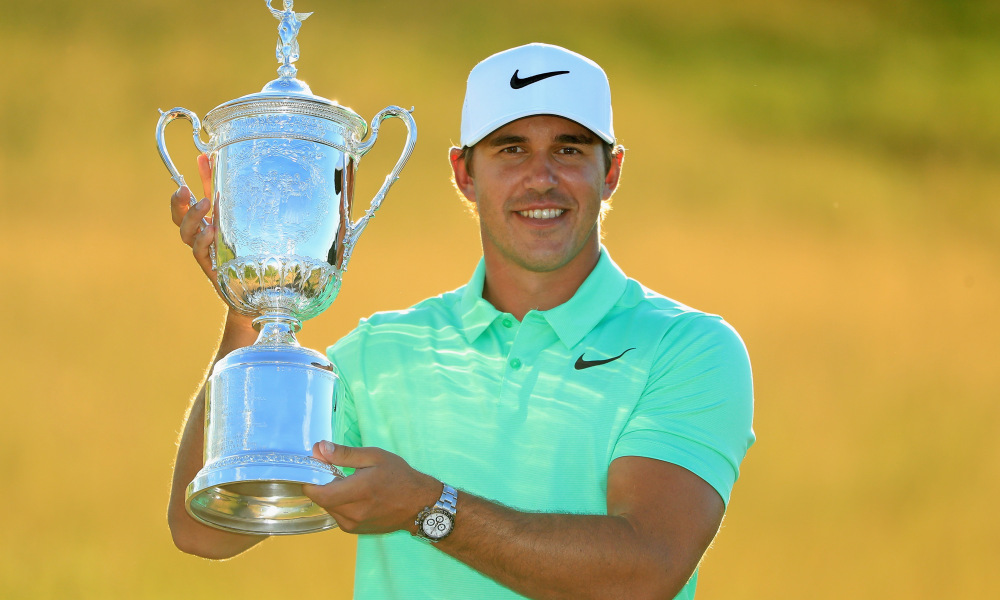
The list of champions here reads like a murderer's row of US Open history. James Foulis in 1896. Raymond Floyd in 1986. Corey Pavin in 1995. Retief Goosen in 2004. And most recently Brooks Koepka in 2018, who beat Tommy Fleetwood by a single shot in one of the most brutal US Open setups in recent memory.
That 2018 championship is the one everyone references when they talk about Shinnecock and for good reason. The greens got away from the USGA on Saturday. Conditions were so severe that the scoring average ballooned and players were visibly frustrated walking off the course. Phil Mickelson infamously hit a moving ball on the 13th green out of pure exasperation. The USGA took heat for it and has been more careful with the setup at Shinnecock ever since, but the lesson from 2018 still hangs over this golf course. When the wind gets up and the greens get hard, Shinnecock can turn into one of the most unforgiving tests in major championship golf.
The Course Itself
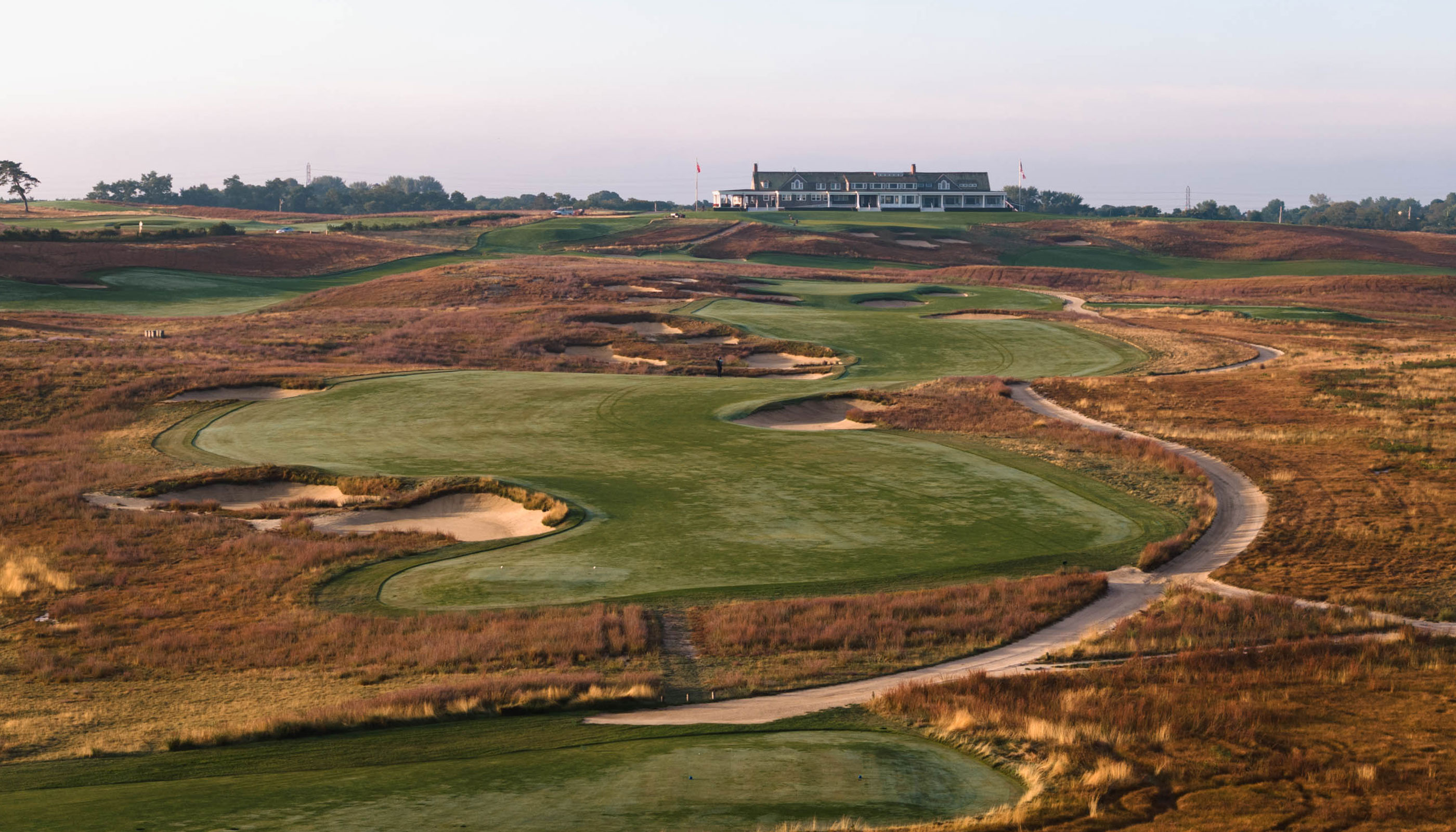
Shinnecock will play to 7,434 yards and a par of 70 this week, though the exact yardage will shift day to day depending on how the USGA wants to set it up.
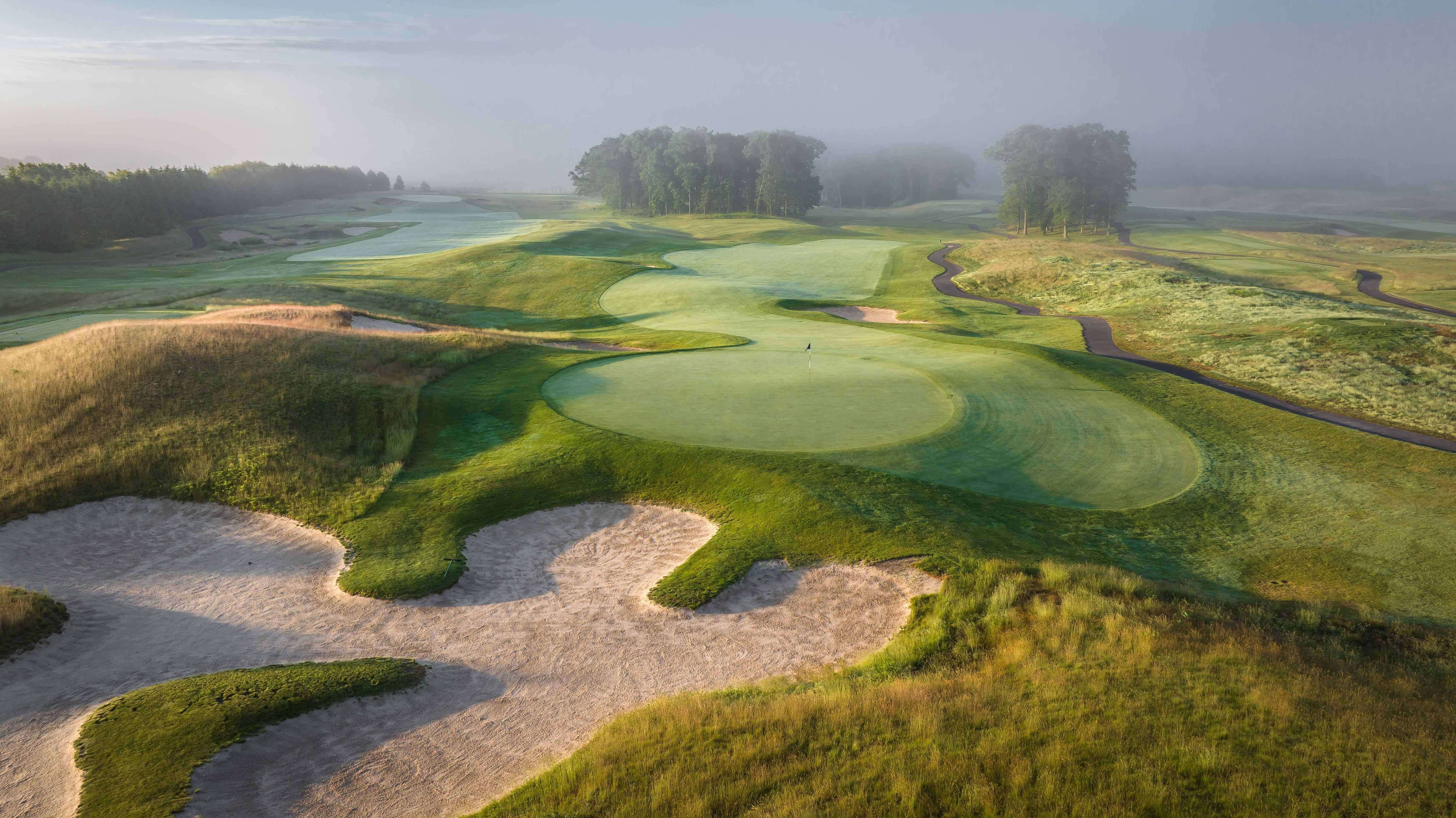
The first hole sets the tone immediately. From an elevated tee you are looking at a broad fairway that looks inviting, but it narrows the further the ball travels. It is under 400 yards and the temptation to be aggressive off the tee is real, especially with a helping wind. The risk is that deep bunkers guard both sides of the green and anything that runs through gets a severe fall-off that leaves a brutal recovery. Birdie is absolutely out there on this hole. So is double bogey. That tension defines the entire round.
The defining characteristic of Shinnecock as a US Open venue is the way it uses wind and firm turf rather than pure length to create difficulty. This is genuinely considered one of the earliest pieces of links-style golf in America and it plays like it. The fairways are generous in width compared to a typical US Open setup, but they are angled in ways that punish the wrong line off the tee, and the greens are some of the most exposed, firm, and fast surfaces these players will see all year. Short game and creativity around the greens become massively important here in a way that a soft target-golf setup never requires.
The defending champion is JJ Spaun, who won last year by two shots over Robert MacIntyre. He comes back at plus 4000, looking to become the first player to win back to back US Opens in a long time. That is a tough ask anywhere, but especially here.
What Type of Player Succeeds at Shinnecock
This is the part that matters most if you are trying to figure out who actually wins this thing.
Shinnecock rewards players who can control their ball in the wind, who putt well on fast firm greens, and who have the short game creativity to scramble from tight, exposed lies around the greens. It does not reward bombers who rely purely on overpowering a golf course. The fairways are wide enough that driving distance matters less here than it does at a US Open venue like Oakmont or Winged Foot, but accuracy off the tee into the correct angles matters enormously because of how the green complexes are oriented relative to the fairways.
The 2018 result tells the story. Brooks Koepka won that championship and Koepka's entire game at that point in his career was built around elite ball striking combined with an ability to stay mentally locked in through brutal conditions that broke other players. Tommy Fleetwood finished one shot back with a final round 63 that still stands as one of the great closing rounds in US Open history, and Fleetwood's elite iron play and underrated short game are exactly the tools that travel well here.
The covers and betting analysts are leaning hard into one specific point heading into this week. Short game is the single most important skill at Shinnecock under US Open conditions. The greens play firm and incredibly fast and maintaining position on the putting surfaces is genuinely difficult even for elite players. That means strokes gained around the green and strokes gained putting on fast bent grass surfaces are the stats to look at above almost everything else.
Wind management is the other major factor. Shinnecock sits on Long Island's South Fork and the wind off the water is a real factor on this golf course in a way that most PGA Tour stops simply are not. Players who have demonstrated they can flight the ball down and control trajectory in breezy conditions, the Tommy Fleetwoods and Justin Roses of the world, have a real edge over players whose games are built around high, soft landing shots that get knocked around by wind.
The Scheffler Storyline
Here is the headline going into this week and it is a big one.
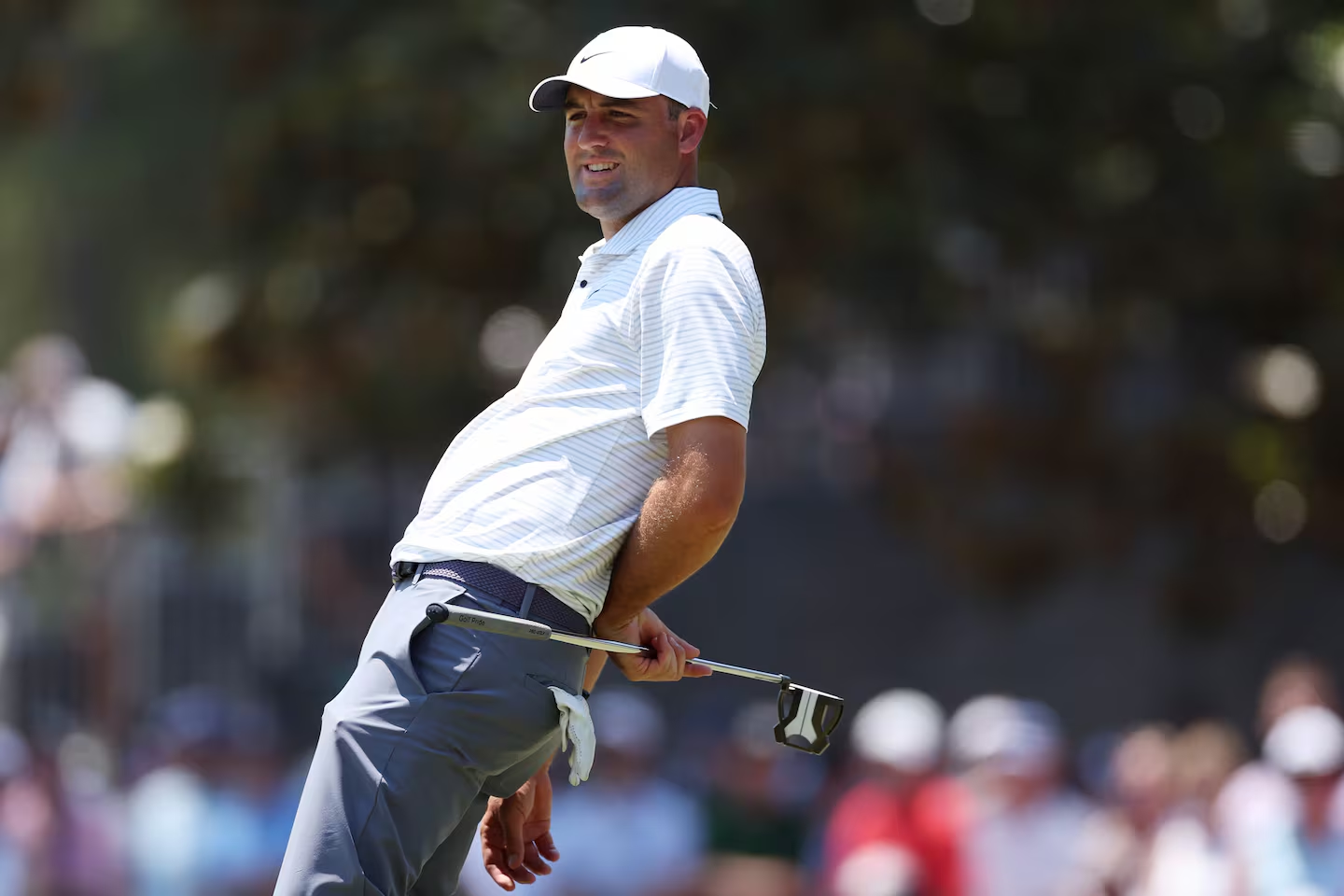
Scottie Scheffler has a chance to complete the career Grand Slam at Shinnecock Hills. He won the PGA Championship and the Open Championship last year, has two green jackets, and a win this week would make him the seventh player in the modern era to complete the slam. Sunday's final round also happens to fall on Scheffler's 30th birthday, which is the kind of detail that golf writers dream about.
The case for Scheffler is obvious. He has finished in the top seven in four of his last five US Opens. His best finish at this major was runner-up in 2022. He has been in the mix at six of his last seven majors. He is the betting favorite at plus 450 to plus 567 depending on the book, with an implied win probability around 15 to 18 percent.
The case against him right now is more nuanced than people want to admit. He has just one win in 2026 after having at least six wins in both 2024 and 2025. His approach play and putting at the Memorial, his final tune-up before this week, were described as pedestrian, with strokes gained numbers well below what he needs to win at a venue like Shinnecock where short game and putting on fast greens are the deciding factors. The talent has clearly not gone anywhere, but the sharpness that made him nearly unbeatable for two years has not quite been there in 2026.
Rory McIlroy sits at second on most boards between plus 900 and plus 1000. He won the 2011 US Open and is chasing his seventh major title, which would put him in some of the most exclusive company in the history of the game. He missed the cut in his only previous Shinnecock appearance back in 2018, but he has posted five top-seven finishes in his last eight majors and the consistency at this point in his career is undeniable. At plus 1000 compared to Scheffler's chalk price, McIlroy represents real value for anyone who believes in his major-winning momentum after the year he has had.
The Picks and the Bets
Here is where I land on this one.
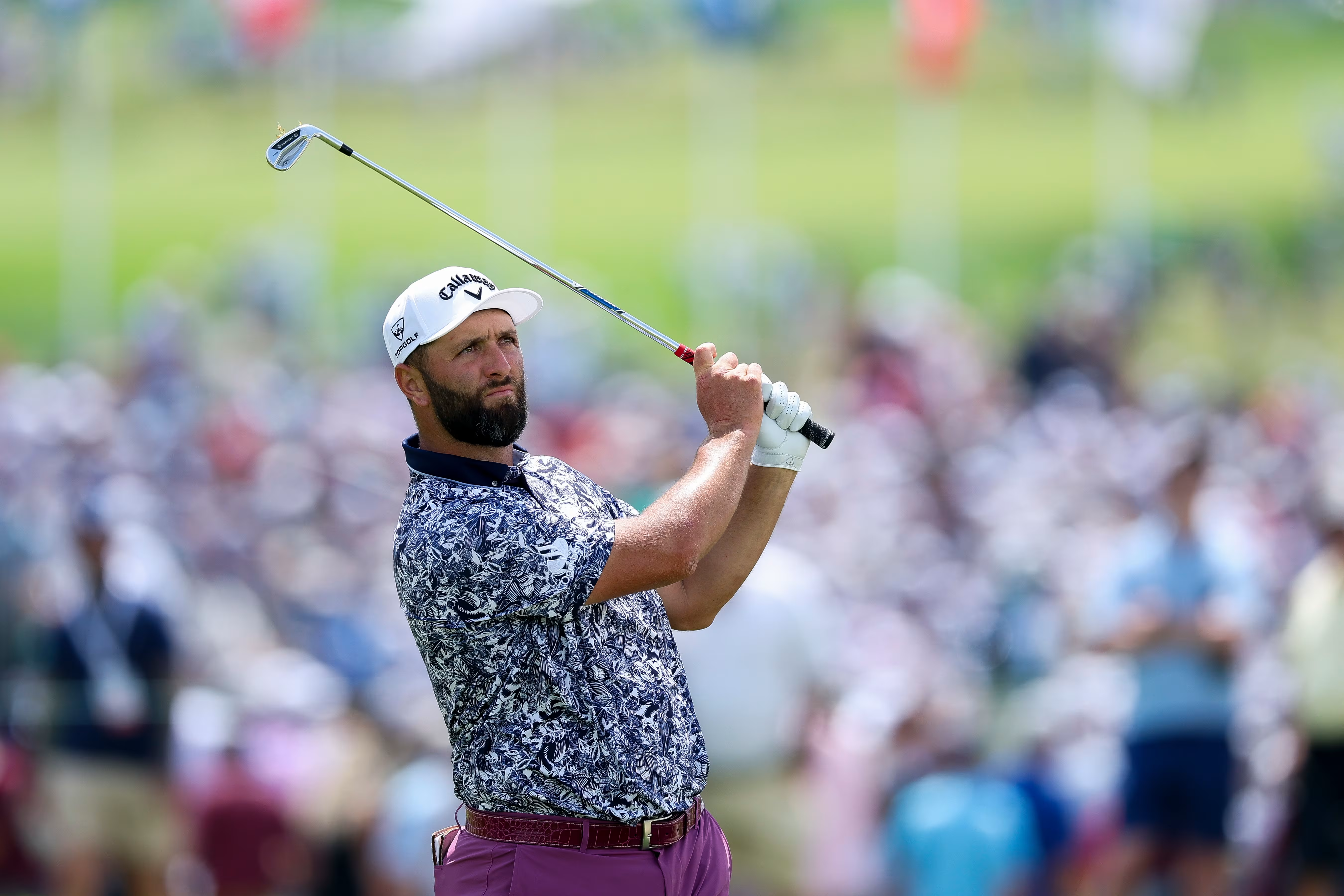
Jon Rahm at plus 1400 deserves serious attention. He is a former US Open champion from 2021, he finished top eight in three of his last five majors, and he was runner-up at the PGA Championship just last month. The one blemish is a missed cut at Shinnecock in 2018, which was also the last time he ever missed a cut at this championship. Everything else about his recent form points toward a player who is rounding into peak condition at exactly the right time.
Tommy Fleetwood at plus 1800 to plus 2000 is the pick I keep circling back to. His history at this exact golf course is the best of anyone in the field not currently ranked inside the top five in the world. A 63 in the final round of the 2018 US Open at Shinnecock is not a small data point. It is the best round shot in relation to par in US Open history at this venue. His iron play and his ability to control the ball in wind are tailor made for this setup, and at a price north of plus 1800 he is being underpriced relative to how well this golf course should suit him.
Cameron Young at plus 2000 is a name we have talked about all year and for good reason. The hottest player in golf for stretches of 2026, a Players Championship winner, and a guy whose length and iron play give him a real chance at any US Open setup. The longer odds here compared to where he sat entering the Masters suggest the market may be undervaluing just how consistently he has been near the top of leaderboards all season.
Matt Fitzpatrick at plus 2200 to plus 2500 cannot be ignored given the season he has had. Three wins. Number one in the FedEx Cup standings. Ranked top five on tour in approach play. His only major win came at the 2022 US Open at the Country Club, a precision-demanding venue that rewarded exactly the kind of ball striking and course management Fitzpatrick does better than almost anyone alive right now. Shinnecock asks the same questions. He is the most in-form player in the world and the price still reflects where he was a year ago rather than where he is right now.
Aaron Rai at plus 6000 is the longshot I want a small piece of. He just won the PGA Championship in May with a final round that included seven consecutive one-putts and a short game performance that ranked inside the top five for the week. Shinnecock's defining characteristic is short game and touch around firm fast greens, and that is the single biggest strength in Rai's game right now. The market has him as a near-100-to-1 longshot in win probability terms, but a player who just demonstrated he has exactly the skill set this golf course rewards, at this price, in this form, is the kind of bet that pays for the whole card if it comes home.
The number to watch for the winning score is going to depend entirely on the weather. If the wind shows up the way it has in past Shinnecock US Opens, we could see something close to even par win it, similar to 2018. If conditions stay calm, somewhere in the five to eight under range feels more realistic based on how the course played in 1995 and 2004.
Either way, this is going to be one of the best weeks of golf all year. Scheffler chasing history. McIlroy chasing his seventh major. Fitzpatrick riding the best form of his career into a venue that fits him perfectly. And a golf course that has not needed a single major renovation in nearly a hundred years because Flynn simply got it right the first time.
It is going to be a hell of a week at Shinnecock.
Please subscribe if you are not already! No, I am not going to send you spam the articles are just delivered right to your inbox. You also get a free Cognitive Performance Golf Guide 100% FREE. My goal is if we can get to 10k subs by Christmas, to do a giveaway to one random lucky sub. Please click HERE and enter your email.
I would also like to thank my sponsor Wild Goat. A Focus and Hydration Gummy that are specifically developed for golfers. Go check them out and enter code FAIRWAYTIMES10 to receive a discount on your order! Cheers.